Quick answer: "Refurbished," "reconditioned," "serviced," and "remanufactured" are not interchangeable marketing words. The FDA defines them, and each carries a different level of work and regulatory obligation. Servicing returns a device to the manufacturer's original specs. Refurbishing restores it to a condition comparable to new. Remanufacturing significantly changes its performance, safety specs, or intended use, which legally makes it a new device subject to full FDA manufacturer requirements. Knowing which one your seller actually performed tells you what you are buying.
When you buy used medical equipment, the single most important word in the listing is the one describing what was done to it. A device can be sold as serviced, reconditioned, refurbished, rebuilt, or remanufactured, and most buyers treat those as rough synonyms for "fixed up and working." They are not. The FDA assigns specific meaning to these activities, and the differences determine how much work the device received, who is legally responsible for it, and whether it is even the same FDA-cleared product it started as.
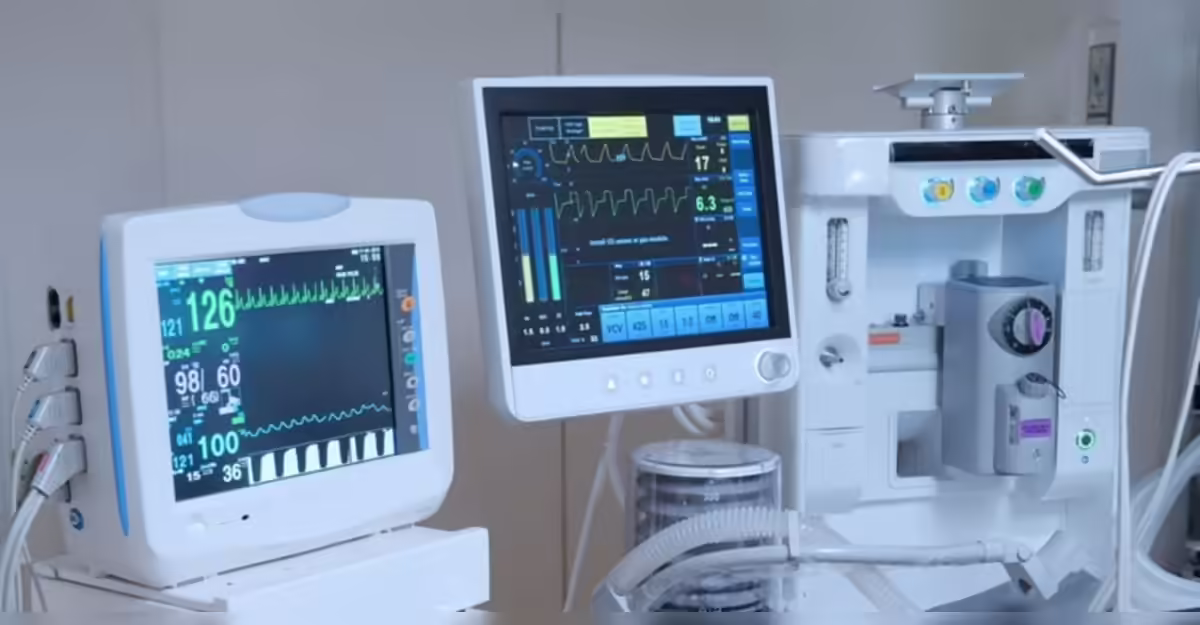
This matters because the regulatory line is invisible on the equipment itself. Two patient monitors can sit side by side, both cosmetically perfect, both powered on, and be entirely different purchases: one returned to its original specifications by a servicer, the other significantly altered in a way that, under FDA rules, made it a new device with a new set of obligations behind it. This guide explains how refurbishment actually works, what each term means, and what each one is worth to you as a buyer.
Why the Words Have Legal Weight
The reason these definitions exist is that the maintenance and repair of medical devices is critical to the safety of the healthcare system, and the FDA needed a way to draw a line between routine upkeep and changes serious enough to create a new product. The agency formally opened this issue in a 2016 Federal Register notice on the refurbishing, reconditioning, rebuilding, remarketing, remanufacturing, and servicing of medical devices, and it settled much of the question in a Final Guidance issued on May 10, 2024.
One principle from that guidance is the most useful thing a buyer can carry into any negotiation: the FDA decides what category an activity falls into based on what was actually done to the device, not on what the company calls itself. As the FDA puts it, the determination is made according to the specific tasks performed, not according to an entity's self-identified designation as a "servicer" or "remanufacturer." A seller calling something "refurbished" does not make it so. The work does.
The Four Terms, Defined
Here are the activities arranged from lightest to heaviest, with what each one actually means.
Servicing: back to the OEM's original specs
Servicing is the lightest-touch activity. The FDA defines it as the repair and/or preventive or routine maintenance of one or more parts in a finished device, after distribution, for purposes of returning it to the safety and performance specifications established by the original equipment manufacturer and to meet its original intended use. By definition, servicing excludes anything that significantly changes the device's safety or performance specs or intended use. Replacing a worn part, recalibrating, performing preventive maintenance: that is servicing. The device comes out the same product it was, restored to how the OEM built it.
Reconditioning and refurbishing: restored to like-new
Reconditioning and refurbishing are more extensive but share the same goal: restoring the device to its original condition. In the FDA's working definition from its background documents, refurbishing means to restore a device to a condition of safety and effectiveness that is comparable to when it was new. Industry groups describe the same band of activity as restoring a device to the OEM's original specifications or to a "like new" state, including repair of components, installation of OEM-provided updates, and replacement of worn parts. The crucial limit is that these activities do not significantly change the device's performance, safety specifications, or intended use. A refurbished device is meant to be the same device, made good as new, not a different one.
Remanufacturing: legally a new device
Remanufacturing is the heavy line, and it is where the regulatory consequences change completely. The FDA defines remanufacture as the processing, conditioning, renovating, repackaging, restoring, or any other act done to a finished device that significantly changes the finished device's performance or safety specifications, or intended use. The word doing the work is "significantly." Once an activity crosses that threshold, the FDA treats the result as effectively a new device, and the entity that performed the work, whether an OEM or an independent third party, must comply with the agency's full premarket and postmarket requirements.
From lightest to heaviest
- Service → repair/maintenance back to OEM specs; same device
- Recondition / Refurbish → restore to comparable-to-new; same device, no significant change
- Remanufacture → significantly changes performance, safety specs, or intended use; legally a new device
What This Means for Who Is Responsible
The reason this distinction is fought over so intensely is that it decides who carries the FDA's regulatory burden. Under the 2024 Final Guidance, entities that perform servicing are treated differently from entities that perform remanufacturing. Independent third parties that only service devices continue to operate under limited FDA oversight. The moment an activity qualifies as remanufacturing, that entity must meet the obligations of a manufacturer, which can include establishment registration, device listing, quality system requirements, and premarket submission obligations.
There is a trap built into this for sellers, and it indirectly protects informed buyers: a servicer who does too much, who alters a device beyond restoring it to original specs, can be found to have performed "unintentional remanufacturing," putting the device out of compliance with federal law. A seller who understands these lines and stays on the right side of them is a seller who knows what they are doing. One who waves the terms around loosely may not.
How a Quality Refurbishment Actually Proceeds
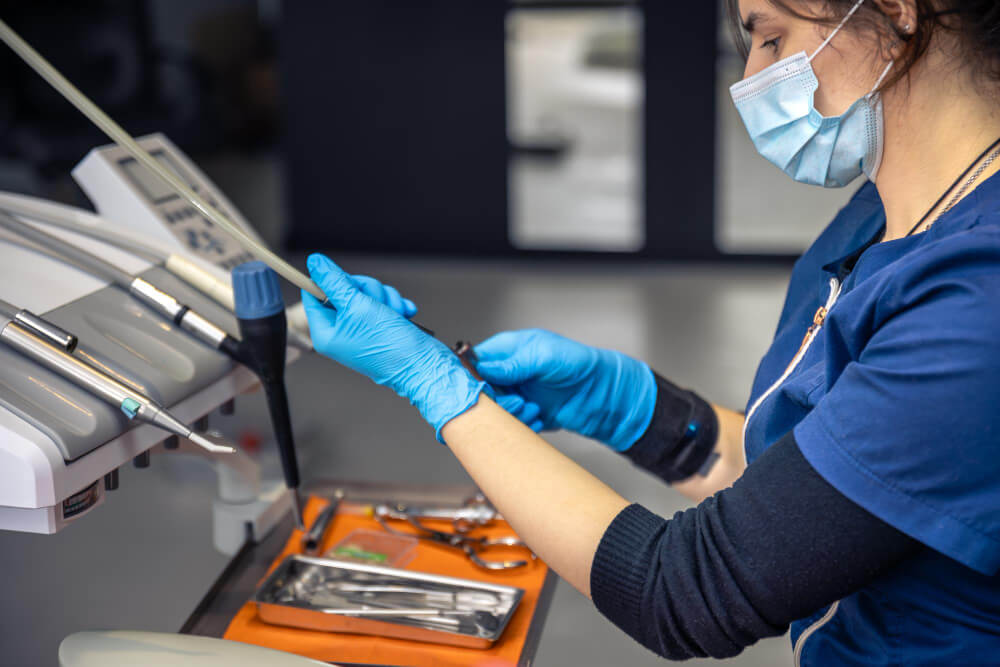
Setting the legal categories aside, the physical process a reputable refurbisher follows is consistent across most equipment types. Understanding the steps lets you ask whether each one was actually performed.
- Intake and assessment. The device is received, its history and service records reviewed, and its working condition documented before any work begins.
- Disassembly and deep cleaning. The unit is taken down to its components, cleaned, and where appropriate disinfected, removing the wear and contamination of its prior life.
- Inspection and diagnosis. Each component is examined to identify what is worn, failing, or out of tolerance.
- Repair and parts replacement. Worn or failed parts are repaired or replaced, ideally with OEM or OEM-equivalent components.
- Calibration and testing. The device is calibrated and tested against the manufacturer's performance specifications to confirm it operates correctly and safely.
- Certification and documentation. The completed work is documented, and the device is certified as meeting the relevant specifications, the paper trail that proves the work happened.
The last step is the one buyers most often forget to ask for and the one that separates a genuine refurbishment from a wash-and-resell. Documentation of what was inspected, what was replaced, and what the device tested at is your evidence that the process behind the word actually occurred.
How to Use This When You Buy
You do not need to be a regulatory expert to put this to work. You need to ask three questions and listen for whether the answers are specific.
First: which activity did you perform, and to what specification? A seller should be able to say plainly whether the device was serviced, refurbished, or remanufactured, and against whose specifications. "Restored to OEM original specifications" is a meaningful, checkable claim. "Fully refurbished" with no detail is marketing.
Second: what was replaced, and can I see the documentation? The process above produces records. Asking for them is reasonable and a serious seller expects it.
Third: if anything was significantly changed, who stands behind it as the manufacturer? If a device was genuinely remanufactured, that carries manufacturer-level obligations, and you want to know the entity behind them. If the seller insists nothing was significantly changed, then by definition you should be buying the same device the OEM cleared, restored to spec.
The terms are not decoration. They are the most compact description available of what was done to the equipment you are about to rely on. Read them as the FDA does, by the work performed rather than the label applied, and the listing tells you most of what you need to know.
Frequently Asked Questions
What is the difference between refurbished and remanufactured medical equipment?
Refurbishing restores a device to a condition comparable to when it was new without significantly changing its performance, safety specifications, or intended use, so it remains the same device. Remanufacturing significantly changes one of those things, which under FDA rules effectively creates a new device and triggers full manufacturer regulatory obligations for whoever performed the work.
What does "serviced" mean versus "refurbished"?
Servicing is the repair or routine maintenance of parts to return a device to the original equipment manufacturer's established safety and performance specifications. Refurbishing is more extensive restoration toward a like-new condition. Both aim to return the device to original specs rather than change it, but refurbishing generally involves more comprehensive work.
Does the FDA regulate companies that refurbish medical equipment?
The FDA distinguishes by activity. Independent third parties performing only servicing currently operate under limited FDA oversight. Any entity, OEM or third party, that performs remanufacturing must comply with the FDA's full premarket and postmarket manufacturer requirements. The agency judges this by the specific tasks performed, not by what the company calls itself.
Why does the distinction between servicing and remanufacturing matter to a buyer?
It tells you what you are actually buying and who is responsible for it. A serviced or refurbished device should be the same FDA-cleared product restored to spec. A remanufactured device has been significantly changed and carries manufacturer-level obligations. Knowing which activity occurred clarifies the device's regulatory status and the protection behind it.
What documentation should I request when buying refurbished equipment?
Ask for records of what was inspected, what parts were repaired or replaced, the specifications the device was restored to, and the calibration and test results confirming it meets those specifications. Reputable refurbishers document each step and expect buyers to ask for proof that the work was performed.