We deliver goods to any city in the world!
A price match guarantee for best prices on all our products


Monthly Archives: April 2026
-
- April 01, 2026 - 1 min read
As more surgical robots are cleared in the U.S. — including Medtronic’s Hugo system, which also received the FDA’s nod in December — CMR claims to have the second most widely used platform in the world. Robotic surgery pioneer Intuitive Surgical remains at the top.
The growing momentum reflects surgeons’ confidence in the platform, CEO Massimiliano Colella said in a statement. The system is currently used in hospitals in more than 30 countries, in specialties that include general surgery, colorectal
-
- April 01, 2026 - 2 min read
A new wave of surgical robotics companies, intent on improving patient outcomes and making less-invasive procedures more accessible and affordable, is driving innovation in the sector.
This next generation of small to midsize companies is advancing platforms that tackle barriers such as hospital infrastructure limitations and surgeon shortages in certain specialties. Some aim to expand use of robotics into more complex areas, including in cardiac surgery and neurosurgery.
The pace of progress
-
- April 01, 2026 - 2 min read
Physicians use X-ray fluoroscopy and 3D transesophageal echocardiography to visualize the heart and device during TEER procedures. However, the technologies create two separate images. The surgical team must interpret where the device is in the body based on the two images, potentially leading to miscommunication and suboptimal device placement.
Philips designed its software to combine the outputs of the two imaging modalities to continuously show the location of the device in the body. By visualizing
-
- April 01, 2026 - 2 min read
The medtech company has been working to restore manufacturing, ordering and shipping operations since it was hit by a cyberattack on March 11.
Stryker has restored most manufacturing sites and critical lines roughly two weeks after the company suffered a cyberattack.
The company is working with its global manufacturing sites as “operations steadily improve towards full capacity,” a spokesperson said in a statement emailed to MedTech Dive. Stryker is making “strong progress” on restoring underlying
Recent Posts
-
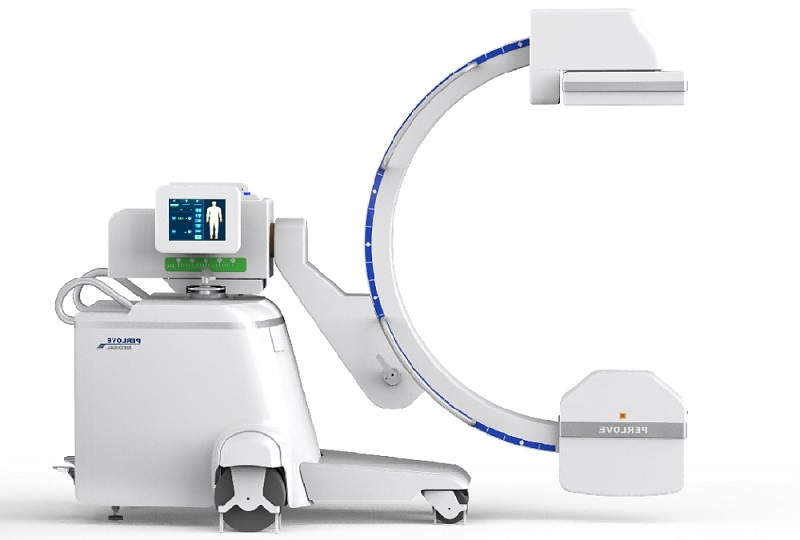
Refurbished Medical Imaging Equipment: A Modality-by-Modality Buying Guide
 July 9, 2026
 -
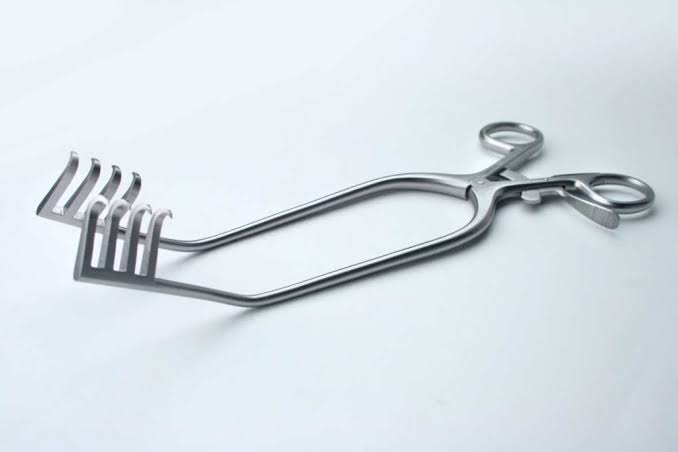
A Guide to Surgical Retractors and Their Uses
 July 9, 2026
 -
Tips on Buying Medical Equipment for Small Clinics
 July 9, 2026
 -
Surgical Instrument Identification: Names, Uses and Photos
 July 9, 2026
 -
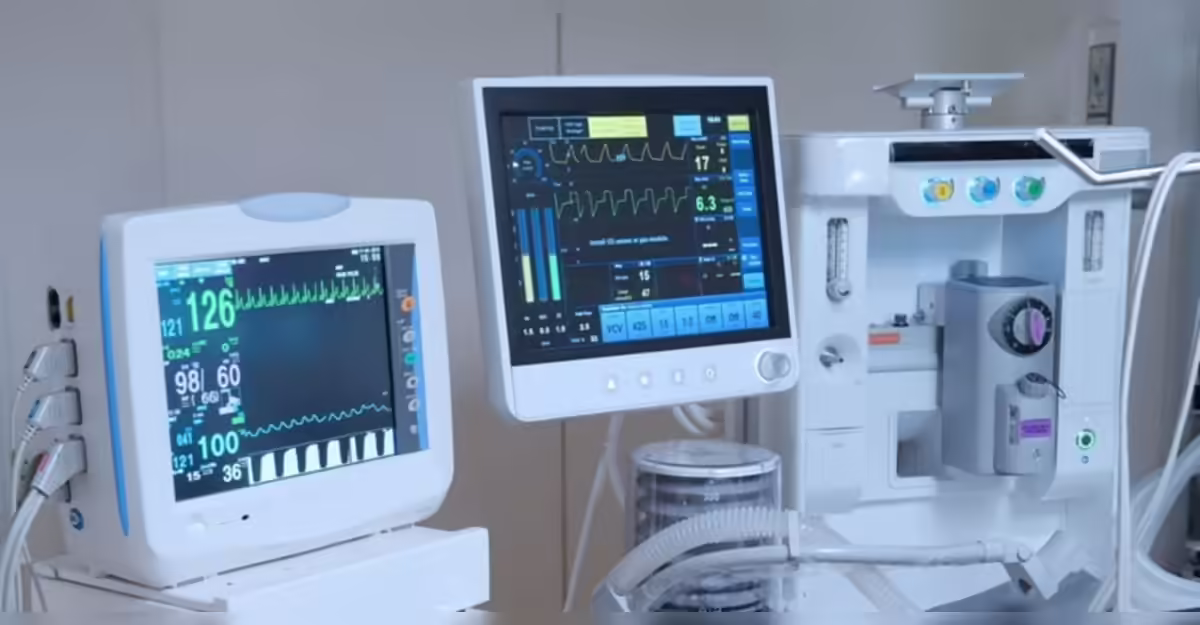
Refurbished Medical Equipment Near Me: How Location Affects Service
 July 9, 2026