The most expensive mistake a new practice makes with its first supply order is not overspending. It is ordering everything at once, in quantities guessed rather than calculated, from whichever vendor showed up first. Six weeks later the practice has a storeroom full of expiring stock it does not use and is out of the three things it needs daily. The first order feels like a checklist task. It is actually the moment you set the cost structure you will live with.
Ordering medical supplies for a new practice is a five-step process: build a supply list driven by your actual services, separate one-time equipment from recurring consumables, choose your vendors, set initial order quantities conservatively, and establish a reorder system before you open. Done in that order, the process produces a lean, functional supply chain. Done backwards, it produces waste and stockouts. This guide walks through each step in the order that prevents both.
Quick answer: Start by listing supplies based on the specific services and procedures you will offer, not a generic template. Separate capital equipment (one-time) from consumables (recurring). Choose a primary distributor plus specialized suppliers, order conservative starting quantities, and set par levels and a reorder process before opening day. Order equipment first because of lead times; order consumables close to opening so nothing expires unused.
Step 1: Build Your Supply List From Your Services
Generic "new practice supply checklists" are a starting reference, not an order form. The right supply list is derived from the specific services, procedures, and patient volume your practice will actually deliver. A dermatology clinic, a pediatric office, and an urgent care center share maybe a third of their supplies; the rest is determined by what they do.
Begin by listing every service and procedure you plan to offer in the first months. For each one, list the supplies and equipment it requires. This procedure-driven approach surfaces the items you genuinely need and, just as importantly, prevents you from ordering supplies for services you will not offer yet. A new practice rarely launches at full service capacity, so the first order should reflect what you will do in month one, not month twelve.
Group the resulting list into clear categories, because you will buy each category differently:
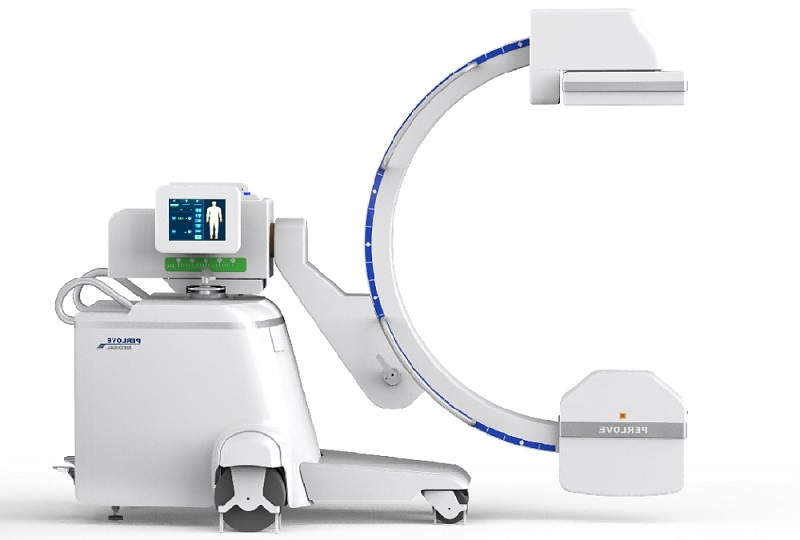
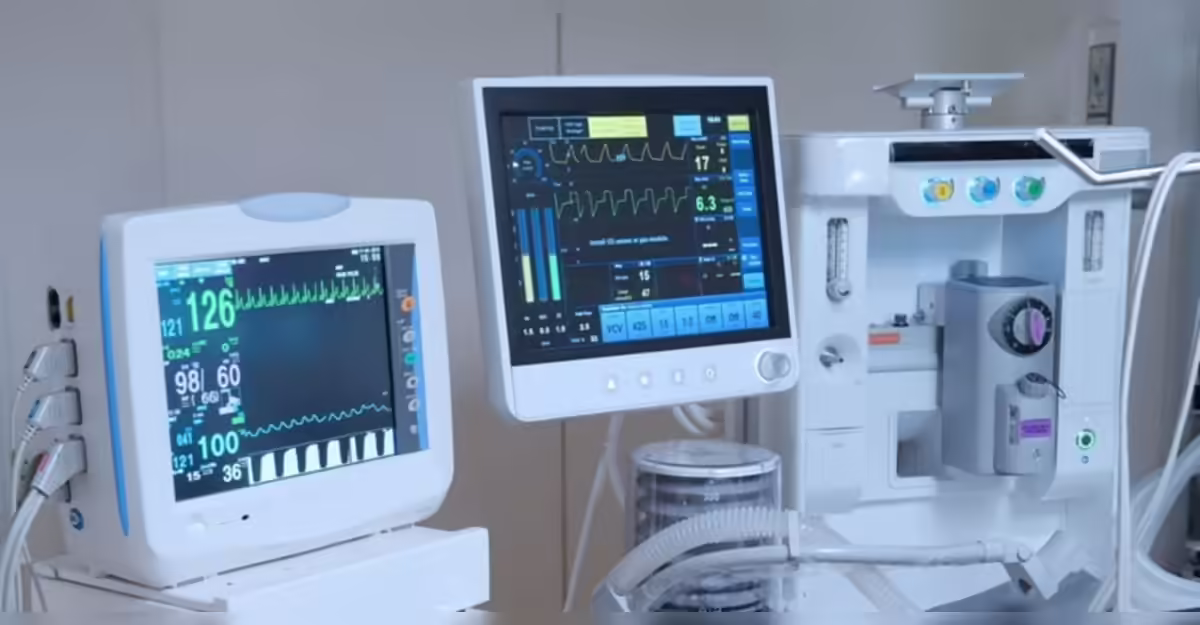
- Capital equipment: exam tables, autoclaves, monitors, lights, refrigerators. One-time purchases, long lead times.
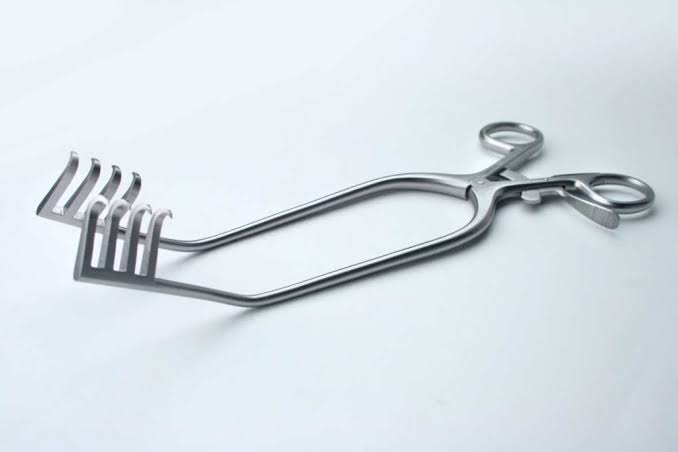
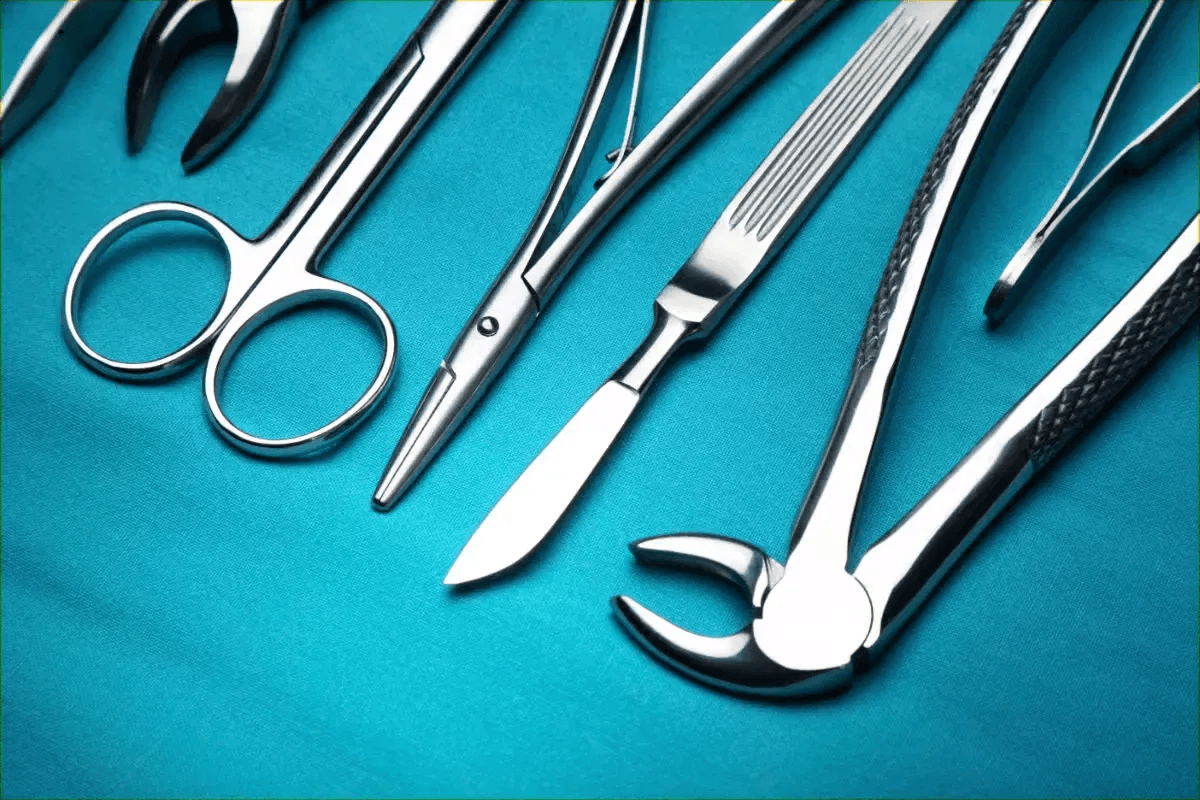
- Reusable instruments: the surgical and diagnostic tools for your procedures.
- Consumable supplies: gloves, gauze, syringes, dressings, paper goods. Recurring, high-frequency.
- Office and administrative: the non-clinical items every practice needs.
Step 2: Separate One-Time Equipment From Recurring Supplies
This separation is the most important structural decision in the entire process, because the two categories follow opposite logic and opposite timelines.
Capital equipment is a one-time purchase with a long life and, often, a long lead time. Some equipment takes weeks to arrive and install, so it must be ordered early, well before opening day. This is also where the new-versus-refurbished decision lives. Buying certified refurbished equipment for items like exam tables, autoclaves, and monitors can dramatically reduce the upfront capital a new practice has to deploy, freeing cash for the consumables, staff, and reserves a young practice needs more urgently.
Consumable supplies are recurring purchases with short reorder cycles, and many have expiration dates. The trap with consumables is over-ordering at launch. Sterile supplies and many disposables expire, so a large opening order of items you use slowly is money thrown away when they expire on the shelf. Consumables should be ordered close to opening, in conservative quantities, with a reorder system ready to refill them based on actual usage.
The timing rule
- Order capital equipment EARLY (long lead times)
- Order consumables LATE and LEAN (expiration risk)
- Buy equipment to last; buy consumables to turn over
- Refurbished equipment frees cash for everything else
What goes in each category
To make the categories concrete, here is what typically falls into each for a general outpatient practice. Use this to pressure-test your own list, adjusting for your specialty.
Capital equipment commonly includes exam tables, an autoclave or sterilizer, vital-signs monitors, procedure lighting, a medical-grade refrigerator for vaccines and medications, scales, and any specialty equipment your procedures require. These are the long-lead, high-cost items, and the ones where refurbished options most change the budget math.
Reusable instruments depend heavily on your procedures: diagnostic tools like otoscopes and ophthalmoscopes, and for any procedural work, the relevant surgical instruments, forceps, scissors, retractors, and the trays to organize and sterilize them. Buy these to last and to match the specific procedures you will perform, not a generic surgical set you will half-use.
Consumables are the high-frequency disposables: exam gloves in multiple sizes, gauze and dressings, syringes and needles, alcohol prep pads, table paper, specimen containers, sharps containers, and the cleaning and disinfection supplies your protocols require. This is the category to order lean and reorder often, because it turns over fast and much of it expires.
Office and administrative items, while not clinical, still need to be ready on day one: patient-facing paper goods, printer and label supplies for your records system, and the front-desk basics. They are easy to overlook in the focus on clinical supplies, yet a practice cannot run its first day without them.
Step 3: Choose Your Vendors
For consumables, a primary distributor gives you one account, one order, and one invoice for the bulk of your recurring supplies, which is exactly what a busy new practice needs. For price-sensitive commodity items, specialized online medical suppliers can fill gaps at lower cost. For capital equipment, a specialized dealer, offering new and certified refurbished, is the right source, because general distributors are not built for equipment selection and service.
When evaluating any vendor for a new practice, weigh more than price: reliability of fulfillment, lead times, minimum order requirements, return policy, and whether they offer new-account support. A vendor who helps you set up your initial order and reorder system is worth more to a new practice than one offering a slightly lower price with no support.
iMedSales is structured for exactly this kind of new-practice setup, supplying both new consumable inventory and certified refurbished durable equipment, so a practice can source its opening equipment and its recurring supplies through one relationship rather than juggling an equipment dealer, a consumables distributor, and a marketplace separately during the most chaotic phase of opening.
Step 4: Set Conservative Initial Order Quantities
The instinct to "stock up" before opening is the single most common and most expensive ordering error. A new practice does not yet know its actual usage rates, so any opening quantity is a guess. Guess high on consumables and you tie up cash in inventory and risk expiration; guess high on the wrong items and you have a storeroom full of stock you do not need while running short on what you do.
Order conservative starting quantities for consumables: enough to open and operate for a few weeks, not months. You will learn your real usage rates quickly once patients arrive, and a working reorder system lets you refill accurately based on data rather than guesses. It is far cheaper to reorder a fast-moving item than to discard a slow-moving one that expired.
The exception is items with long lead times or unreliable availability, where a deeper initial buffer is justified. But for the bulk of routine consumables that any distributor can ship within days, lean is correct. Think of the opening order as a starting point you will calibrate, not a stockpile you will draw down.
Step 5: Set Up a Reorder System Before You Open
The opening order is a one-time event; the reorder system is what you live with. Set it up before you open, while you have time, rather than scrambling once patients are arriving. The core tool is the par level: a minimum stock quantity for each item that, when reached, triggers a reorder. Par levels turn inventory from a guessing game into a simple visual or digital check.
To set initial par levels, estimate usage for the first few weeks, then adjust based on real consumption once you are open. A basic system can be as simple as labeled bins with a reorder line, or as sophisticated as inventory software that tracks usage and flags reorders automatically. The right level of sophistication depends on your size; the requirement to have some system is universal.
Assign clear responsibility for ordering. In a new practice, supply ordering often falls to whoever is available, which leads to duplicate orders, missed reorders, and no accountability. Designate one person to own the reorder process from day one. A system without an owner is not a system.
Where Refurbished Equipment Fits a New Practice's Budget
For a new practice, capital equipment is usually the largest single line in the opening budget, and it competes directly with everything else a young practice needs cash for: staffing, the lease, working capital, and a reserve to survive the slow early months before patient volume builds. This is exactly where certified refurbished equipment earns its place in the plan.
Much of the durable equipment a new practice needs holds up well as certified refurbished: exam tables, autoclaves, monitors, lighting, and many procedure-specific devices perform identically to new when properly refurbished, at a meaningfully lower acquisition cost. Buying these refurbished can free a substantial portion of the equipment budget, which for a startup practice is often better deployed as cash cushion than as the premium for brand-new equipment that depreciates the moment it is installed.
The decision is not all-or-nothing. A common approach is to buy new where it genuinely matters, the equipment in constant high-stakes use or where the latest technology changes outcomes, and buy certified refurbished for the durable, mechanically simpler items where used and new perform the same. The savings on the refurbished portion fund the priorities a new practice cannot defer.
The one requirement is sourcing discipline: refurbished equipment is only a good decision when it comes from a supplier who documents the refurbishment, tests and calibrates each unit, and provides a written warranty. A new practice cannot afford early equipment failure, so the savings must not come at the cost of reliability. Sourced carefully, refurbished capital equipment is one of the highest-leverage budget decisions available to a practice in its first year.
A Realistic Ordering Timeline for Opening
Sequencing matters as much as the orders themselves. Here is the order of operations that prevents both stockouts and waste.
| When | Action |
|---|---|
| 8–12 weeks out | Finalize service list; order capital equipment (long lead times) |
| 6–8 weeks out | Select vendors; open distributor account; build supply list |
| 3–4 weeks out | Set par levels; place conservative consumables order |
| 1–2 weeks out | Confirm equipment installed and tested; stock and label storeroom |
| Opening + ongoing | Track real usage; recalibrate par levels; reorder on data |
The logic of the timeline is simple: equipment first because it takes longest and must be installed and tested before you see patients, consumables last because they expire and you want them fresh. Everything in between is about having vendors and systems in place so that opening day is about patients, not purchase orders.
Budgeting Your First Supply Order
A new practice has to fit its supply spend inside a startup budget that is also paying for the lease, staff, software, and a cash reserve. Getting the supply budget right means separating the two very different kinds of spend and treating each appropriately.
Capital equipment is a large one-time outlay that you can plan precisely, because you know exactly what you are buying before you open. This is the line item where the new-versus-refurbished decision has the biggest impact: choosing certified refurbished for suitable equipment can cut the capital outlay substantially, which for a new practice is often the difference between a comfortable cash cushion and a thin one. Equipment is also where financing and leasing options exist, spreading the cost over time rather than draining opening capital.
Consumable supply spend is recurring and should be modeled as a monthly operating cost, not a one-time purchase. The opening order is only the first month or two; the real number is what you will spend every month thereafter. New practices routinely underestimate this by treating the opening order as the whole supply budget, then are surprised by the steady monthly outflow once they are operating. Estimate a realistic monthly consumable spend based on projected patient volume, and budget for it as the ongoing cost it is.
A practical approach is to budget conservatively on opening consumables, preserve cash, and let real usage data from the first month or two refine your monthly supply budget. It is far easier to scale a supply budget up from a lean, accurate baseline than to recover cash already sunk into stock sitting unused in a storeroom.
Compliance and Documentation From Day One
New practices often treat supply documentation as something to formalize later, which creates problems when the practice is audited, accredited, or inspected. Building good documentation habits into the first order is far easier than retrofitting them.
Keep records of what you buy, from whom, and the product details, including lot numbers and expiration dates for clinical supplies. This matters for recalls, where you need to identify affected stock quickly, and for accreditation, where surveyors may review your supply sourcing and storage. Establishing a simple system for tracking lot numbers and expiration dates from the first order prevents a scramble later.
Storage compliance starts on day one too. Many supplies have storage requirements, temperature ranges, humidity, light exposure, and your storeroom needs to meet them from the moment you stock it. Refrigerated items, in particular, require monitored, validated storage. Setting up compliant storage before the first order arrives is much simpler than discovering a problem after supplies are already in.
Scaling Your Supply Chain as the Practice Grows
The supply chain you set up for opening is a starting point, not a permanent structure. As patient volume grows and services expand, your supply needs change, and the system should grow with them rather than being rebuilt under pressure later.
In the first months, the priority is data. Track what you actually use, because real consumption almost always differs from your opening estimates, and that data is what lets you recalibrate par levels, reorder quantities, and your monthly budget to reality. A practice that watches its usage in the first quarter can tighten its supply chain dramatically by the second, cutting both waste and stockouts.
As volume increases, items that were low-volume at launch may cross the threshold where bulk or contract pricing becomes worthwhile, and it pays to revisit your channel choices periodically rather than assuming the opening setup is still optimal. An item you bought in small quantities from a marketplace at launch might now justify a distributor contract or even direct purchasing.
Adding new services adds new supply categories, and each expansion should trigger the same procedure-driven list-building you did at the start: list the new service, list what it requires, and slot those items into your existing vendor and reorder structure. Handled this way, growth is a series of small additions to a working system rather than a periodic crisis. The practices that struggle are the ones that never revisit the opening setup until something breaks; the ones that thrive treat supply management as an ongoing, lightweight discipline from the first month.
Common First-Order Mistakes to Avoid
- Over-ordering consumables. The expiration trap. Order lean and reorder on real usage.
- Using a generic checklist instead of your service list. You end up with supplies for services you do not offer.
- Ordering equipment too late. Long lead times mean late equipment delays your opening.
- No reorder system. Leads to stockouts of daily-use items in the first weeks.
- No designated owner for ordering. Causes duplicate orders and missed reorders.
- Buying all equipment new when refurbished would do. Ties up capital a new practice needs elsewhere.
Getting the first order right is less about buying more and more about buying in the right sequence, in the right quantities, with a system to refill what you actually use. A new practice that opens with the right equipment installed, a lean consumables stock, and a working reorder process has built a supply chain that scales with it, instead of a storeroom of regrets it spends the first year working through.
Frequently Asked Questions
How do I order medical supplies for a new practice?
Build a supply list based on the specific services you will offer, separate one-time capital equipment from recurring consumables, choose a primary distributor plus specialized and equipment suppliers, order conservative starting quantities, and set up a par-level reorder system before opening. Order equipment early because of long lead times, and order consumables close to opening to avoid expiration.
What medical supplies does a new practice need first?
A new practice needs capital equipment (exam tables, autoclave, monitors, refrigerator), reusable instruments for its specific procedures, and core consumables (gloves, gauze, syringes, dressings, paper goods). The exact list is driven by the services the practice will offer, so it should be built from a procedure list rather than a generic template.
How much should I order for my first supply order?
Order conservative quantities of consumables, enough to open and operate for a few weeks rather than months, because a new practice does not yet know its real usage rates and many supplies expire. Capital equipment is a one-time purchase ordered early. You calibrate consumable quantities based on actual usage once patients begin arriving.
Should a new practice buy new or refurbished equipment?
Many new practices buy certified refurbished capital equipment, such as exam tables, autoclaves, and monitors, to reduce the upfront capital required and free cash for consumables, staffing, and reserves. The key is sourcing refurbished equipment from a supplier who documents testing and provides a warranty, so the savings do not come at the cost of reliability.
How far in advance should I order supplies before opening?
Order capital equipment 8 to 12 weeks before opening because of long lead times and installation needs, select vendors and open accounts 6 to 8 weeks out, and place the conservative consumables order 3 to 4 weeks before opening so supplies arrive fresh. Set up par levels and the reorder process before opening day rather than after.