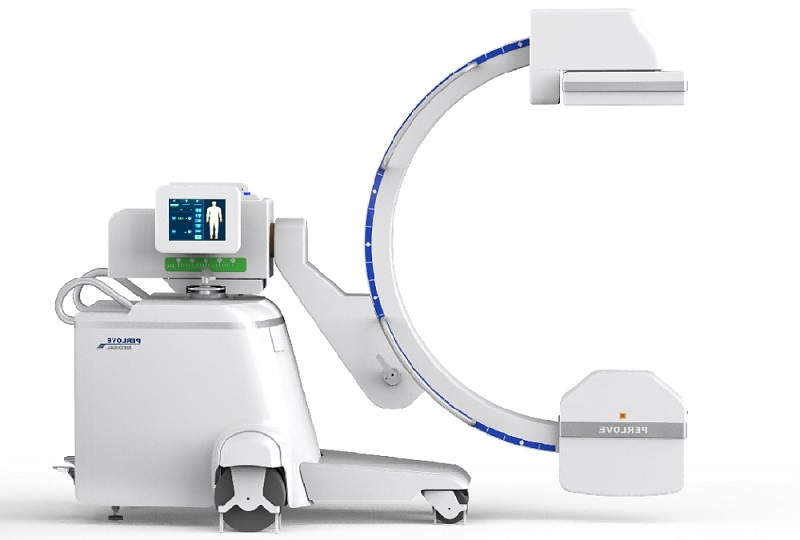
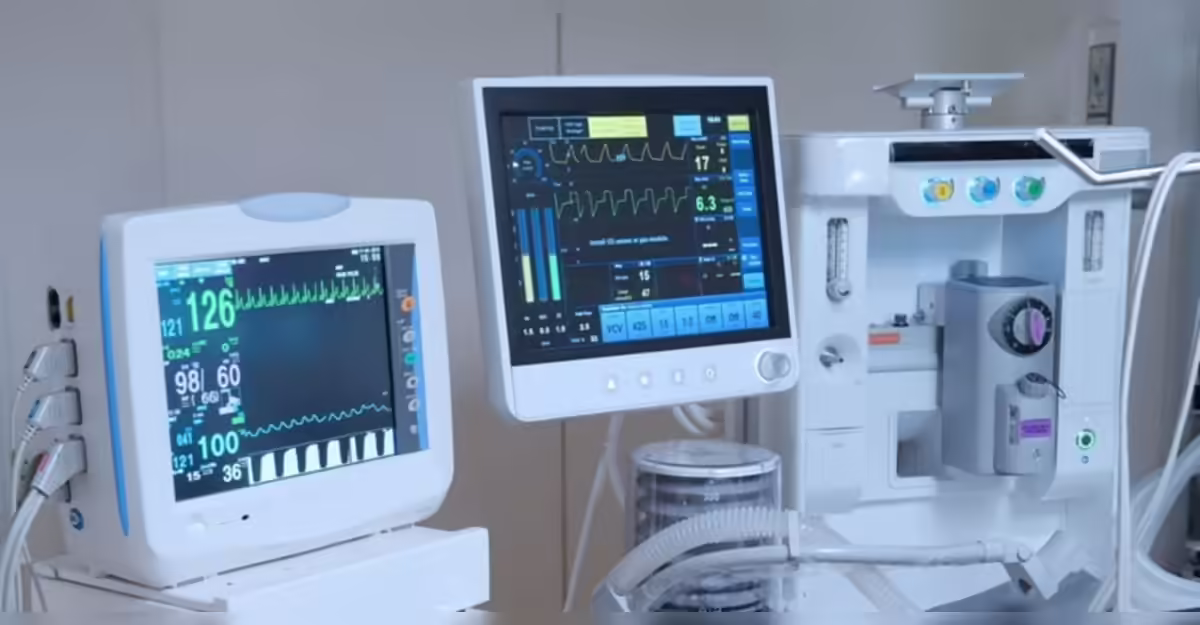
Quick answer: Generic refurbished-imaging advice does not protect you, because each modality fails differently. On a CT scanner, the X-ray tube is the expensive consumable, so you check tube exposure history. On MRI, it is the magnet and cryogenics. On ultrasound, it is the probes. On X-ray, it is the digital detector. Identify the one costly wear component before you compare prices, and a refurbished imaging purchase becomes straightforward.
Refurbished medical imaging equipment is the largest single
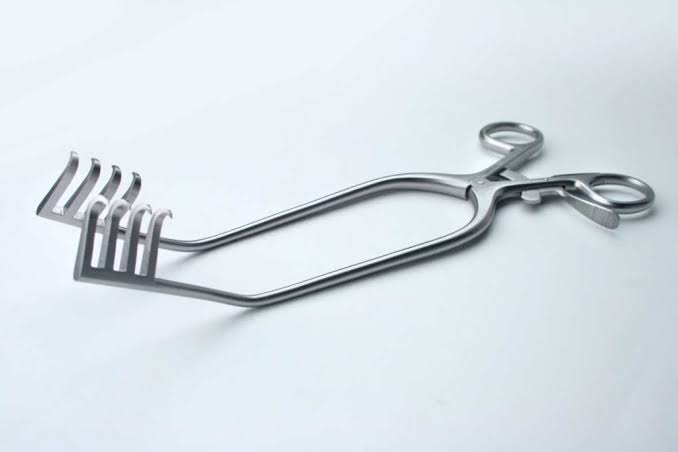
Quick answer: Surgical retractors hold tissue and organs aside to give the surgeon a clear, safe view of the operative site. They fall into two families: handheld retractors (held by an assistant, like the Army-Navy, Senn, Deaver, and Richardson) and self-retaining retractors (which lock open by themselves to free hands, like the Weitlaner, Gelpi, Balfour, and Bookwalter). Choose based on incision depth, tissue type, and whether you need hands-free exposure for a long procedure.
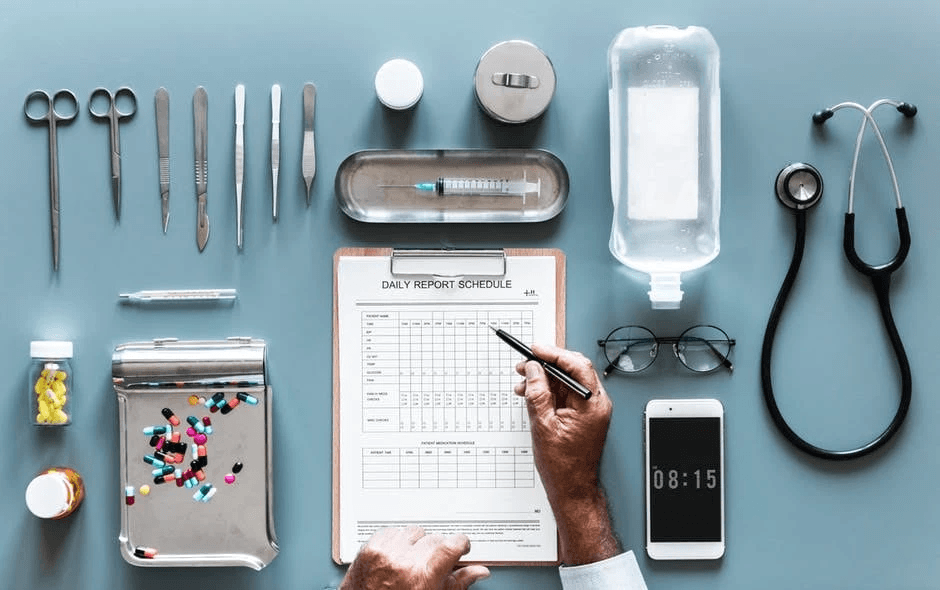
Quick answer: Equipping a small clinic well is about prioritization, not spending power. Medical equipment for a small clinic typically runs $15,000 to $75,000. Buy the must-have essentials first (exam tables, vital-signs monitors, a sterilizer, basic diagnostics), defer nice-to-have items until revenue is steady, and allocate your budget by buying new where it matters most and quality refurbished everywhere else. Working with a supplier who offers wholesale or refurbished pricing and ongoing support
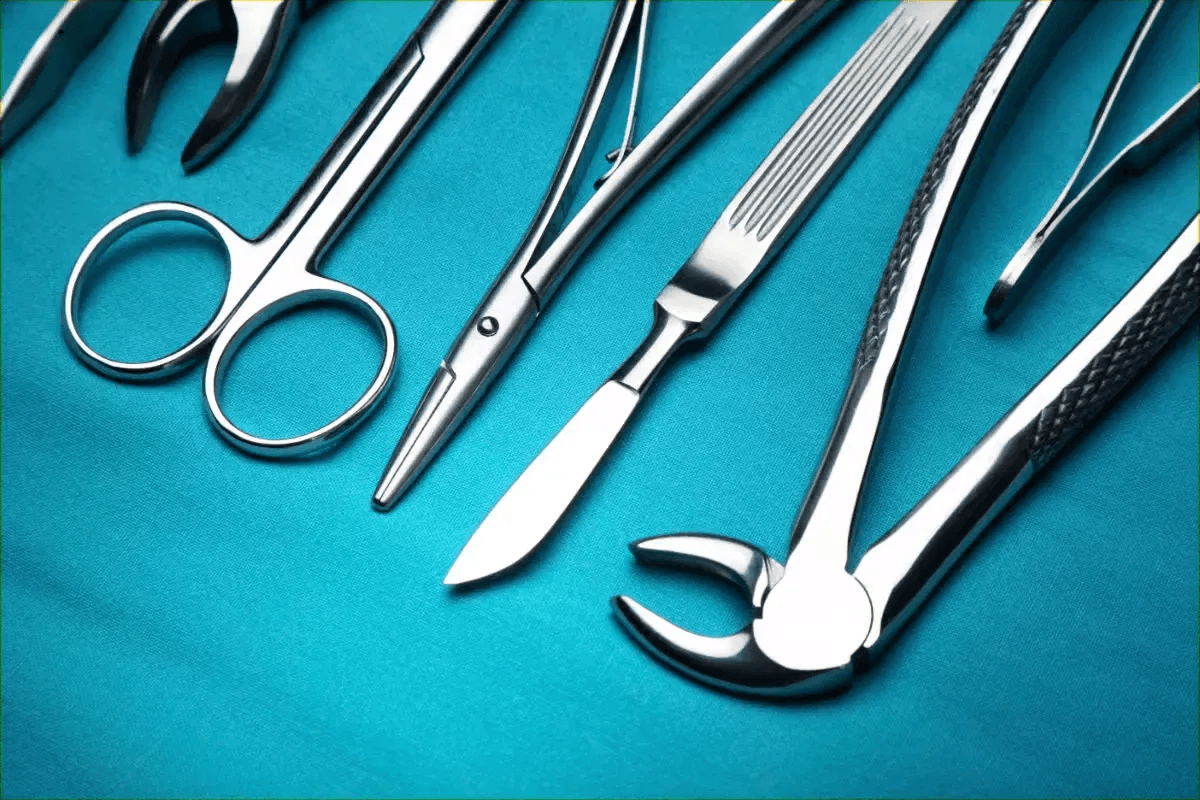
Quick answer: The reliable way to identify a surgical instrument is to read its anatomy rather than memorize appearances. Every ringed instrument shares the same parts, tips, jaws, box lock, shank, ratchet, and ring handles, and the details of each part reveal the instrument's identity and use. A ratchet means it locks closed (a clamp or needle holder); serrated jaws grip tissue; toothed tips grasp tough tissue; smooth tips are atraumatic. Reading these features lets you name an instrument and tell
Quick answer: When you search "refurbished medical equipment near me," location matters less for buying the equipment, which ships nationwide, and far more for servicing it afterward. What you actually want nearby is field service: fast on-site repair response, technicians who know your specific equipment, and access to parts. A provider with a real service presence in your region delivers faster response times and less downtime than a distant seller, even one with a cheaper sticker price.
Both send an electrical shock across the chest. Often it is the same machine. The thing that separates them is one button, and getting it wrong can stop a beating heart.
Cardioversion and defibrillation get used as if they mean the same thing. They do not. They treat different rhythms, in different patients, with different amounts of energy, and the choice between them is built into a single setting on the device: synchronization. This guide lays out what each one does, when each is used, the joule
Who this is for: Hospital procurement staff, GI clinic managers, and ambulatory surgery center buyers evaluating their first or next endoscopy equipment purchase. This article covers scopes, processors, and reprocessors -- with concrete price ranges, what to inspect on a used scope, and where to source reliable refurbished units.
A mid-tier video colonoscope from Olympus or Fujifilm lists for $15,000 to $30,000 new. A fully functional, refurbished version of the same model can clear inspection and
Biopsy forceps are small, cheap relative to the scope they pass through, and easy to buy on autopilot. That is the trap. The wrong jaw design returns a poor specimen, a forceps that does not match the endoscope channel will not pass, and the single-use versus reusable choice quietly drives both infection-control risk and per-procedure cost. None of that shows on a product photo. This guide covers the decisions that actually matter.
We will explain what biopsy forceps do, the jaw designs that match
An automated stainer is usually sold on speed. Speed is not the reason to buy one. The reason is that a pathologist reads color, and color that drifts from one batch to the next is a diagnostic problem, not a cosmetic one. The right stainer makes every slide look like the last one and keeps the xylene out of the room while it does it. Buy for consistency and containment first.
An automated slide stainer moves tissue sections through a programmed sequence of reagents to stain them for microscopic
An alternating pressure mattress is often sold as the answer to pressure injuries. It is a useful tool, but it is one rung on a ladder, not a substitute for turning a patient. Buy it for the right reason, match the technology to the patient, and know what Medicare's coverage code actually requires before you spend.
An alternating pressure mattress (APM) is a powered support surface built from rows of air cells that inflate and deflate on a cycle, so the points of the body bearing weight change every