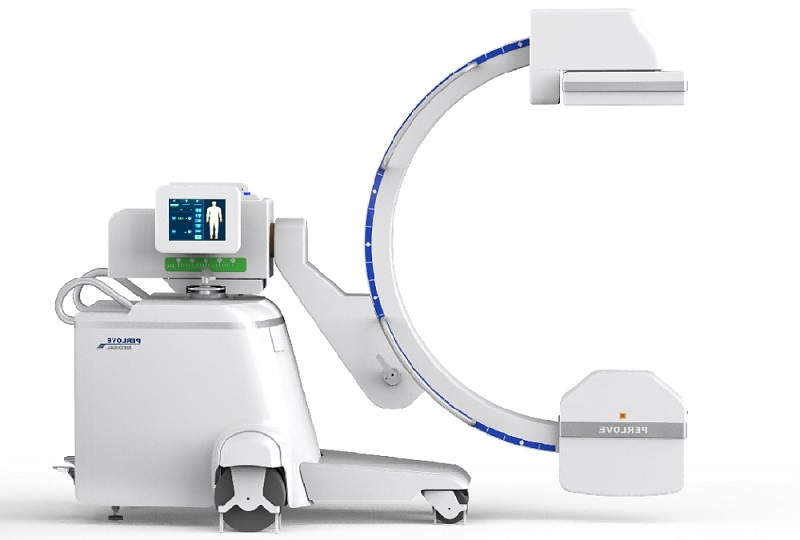
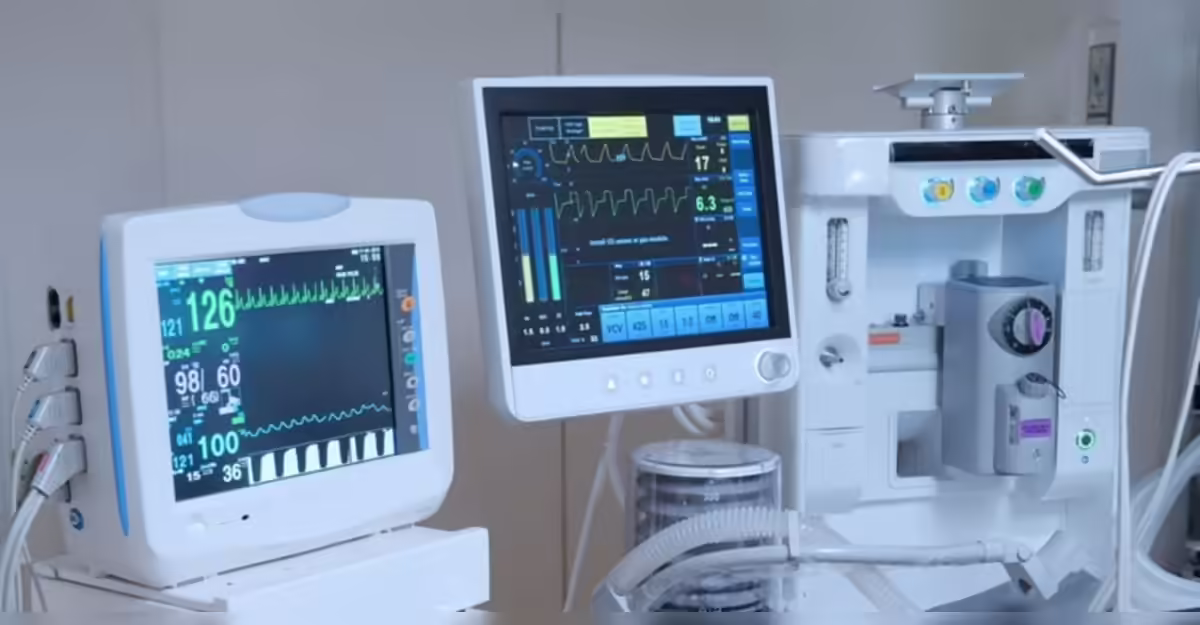
Quick answer: Generic refurbished-imaging advice does not protect you, because each modality fails differently. On a CT scanner, the X-ray tube is the expensive consumable, so you check tube exposure history. On MRI, it is the magnet and cryogenics. On ultrasound, it is the probes. On X-ray, it is the digital detector. Identify the one costly wear component before you compare prices, and a refurbished imaging purchase becomes straightforward.
Refurbished medical imaging equipment is the largest single
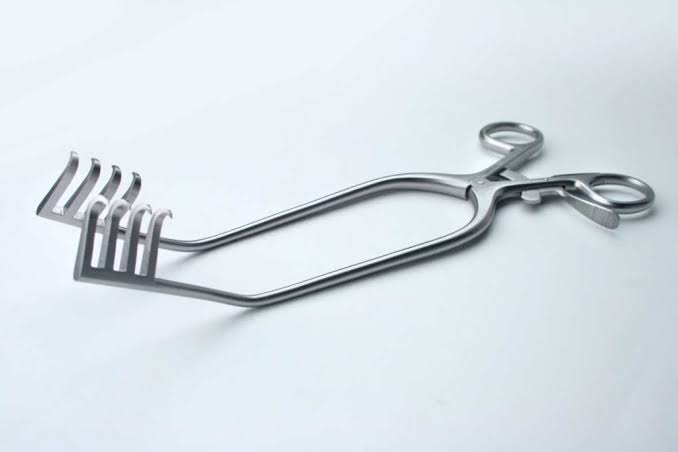
Quick answer: Surgical retractors hold tissue and organs aside to give the surgeon a clear, safe view of the operative site. They fall into two families: handheld retractors (held by an assistant, like the Army-Navy, Senn, Deaver, and Richardson) and self-retaining retractors (which lock open by themselves to free hands, like the Weitlaner, Gelpi, Balfour, and Bookwalter). Choose based on incision depth, tissue type, and whether you need hands-free exposure for a long procedure.
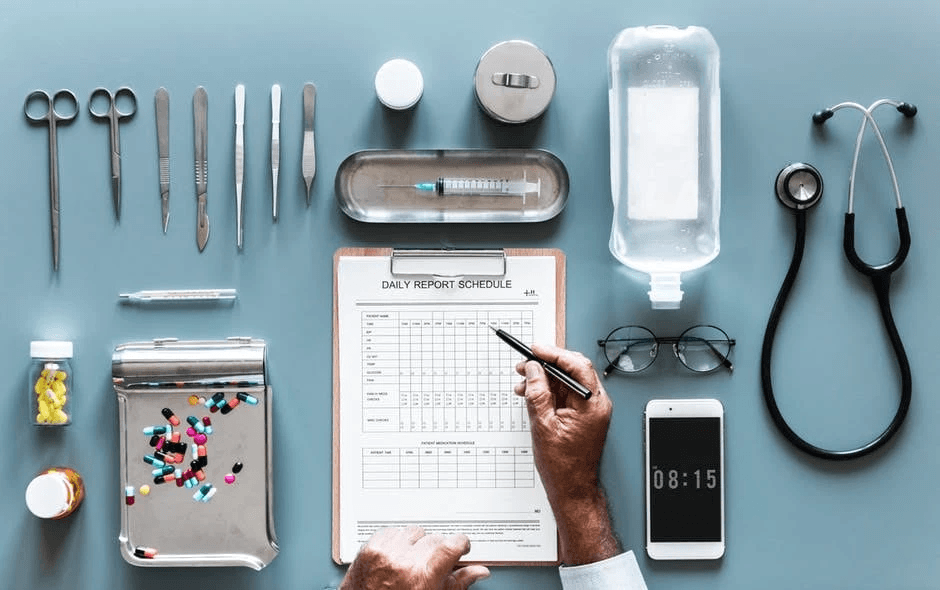
Quick answer: Equipping a small clinic well is about prioritization, not spending power. Medical equipment for a small clinic typically runs $15,000 to $75,000. Buy the must-have essentials first (exam tables, vital-signs monitors, a sterilizer, basic diagnostics), defer nice-to-have items until revenue is steady, and allocate your budget by buying new where it matters most and quality refurbished everywhere else. Working with a supplier who offers wholesale or refurbished pricing and ongoing support
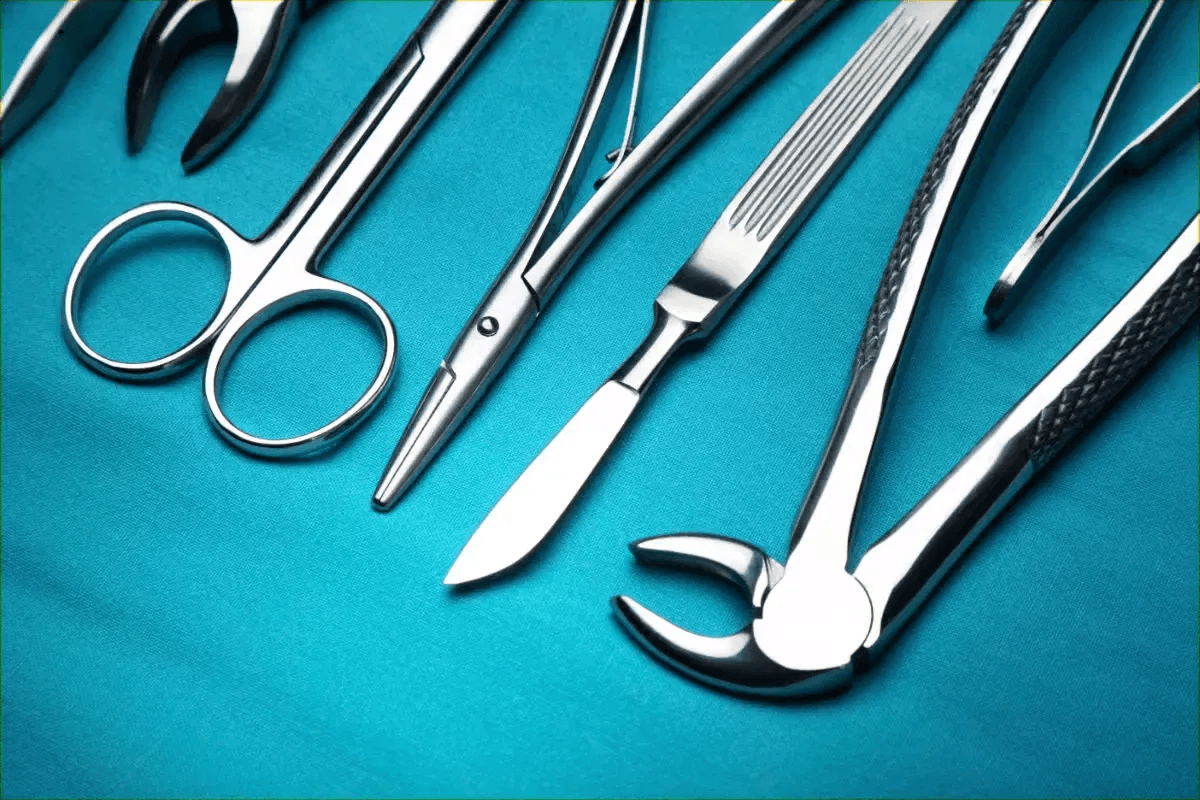
Quick answer: The reliable way to identify a surgical instrument is to read its anatomy rather than memorize appearances. Every ringed instrument shares the same parts, tips, jaws, box lock, shank, ratchet, and ring handles, and the details of each part reveal the instrument's identity and use. A ratchet means it locks closed (a clamp or needle holder); serrated jaws grip tissue; toothed tips grasp tough tissue; smooth tips are atraumatic. Reading these features lets you name an instrument and tell
Quick answer: When you search "refurbished medical equipment near me," location matters less for buying the equipment, which ships nationwide, and far more for servicing it afterward. What you actually want nearby is field service: fast on-site repair response, technicians who know your specific equipment, and access to parts. A provider with a real service presence in your region delivers faster response times and less downtime than a distant seller, even one with a cheaper sticker price.