Quick answer: Bulk buying medical disposables saves money when three things line up: a real per-unit discount, a high and predictable usage rate, and shelf life long enough to use the stock before it expires. It wastes money when you over-buy slow-moving or short-dated items that expire in storage, when storage costs and space erode the discount, or when the bulk product is lower quality. Buy stable, high-turnover commodities in bulk; buy short-dated or rarely used items in smaller, frequent orders.
Bulk buying feels like an obvious win: bigger package, lower per-unit price, better deal. For medical disposables, gloves, gauze, syringes, drapes, PPE, it often is. But the COVID-19 era taught healthcare facilities an expensive lesson about the limits of stocking up, and the smart approach is not "buy everything in bulk" but "know which items reward it and which punish it." This guide gives you that decision framework.
Why Bulk Buying Disposables Often Saves
The savings are real. Many suppliers offer significant discounts for purchasing disposable medical supplies in bulk, lowering per-unit procurement cost. Beyond the unit discount, bulk ordering reduces order frequency and associated administrative and shipping costs, and it protects against running out of essential items mid-procedure. For high-use commodities, consolidating into larger orders is one of the simplest ways to cut supply spend.
This is why disposables are attractive in the first place: they arrive ready to use with no reprocessing, cleaning, or sterilization time and cost, and bulk pricing compounds that efficiency. When the item is right, buying in bulk is straightforwardly smart.
The Three Conditions That Must All Be True
Bulk buying only works when the math, the shelf life, and the storage all line up. Miss any one and the discount turns into waste. Before bulk-ordering any disposable, check all three:
Bulk buying saves only when ALL are true
- Real discount: a meaningful per-unit savings, net of storage cost
- High, predictable usage: you will actually consume it at a steady pace
- Adequate shelf life: it will be used before it expires
When Bulk Buying Wastes Money
The failure modes are predictable, and each maps to one of the three conditions above.
1. Expiration: the COVID cautionary tale
The biggest trap is shelf life. Sterile disposables expire, and using them past expiration is unsafe and a liability. During the pandemic, facilities did the responsible thing and stockpiled essentials, but many products bought in bulk years ago reached their expiration dates, taking up storage space and exposing facilities to liability from potential incidental use of expired products. The lesson: a deep discount on a short-dated item you will not use in time is not a saving, it is a future disposal cost. For sterile items, the sterility of sealed products cannot be guaranteed past expiration, so the date is a hard limit, not a suggestion.
2. Slow-moving items
The flip side of high turnover. A commodity you go through daily is a great bulk candidate; a specialty item used a few times a month is not. If your usage rate means a bulk quantity would take years to consume, you will likely hit the expiration date first. Match order size to realistic consumption, not to the size of the available discount.
3. Storage cost and space
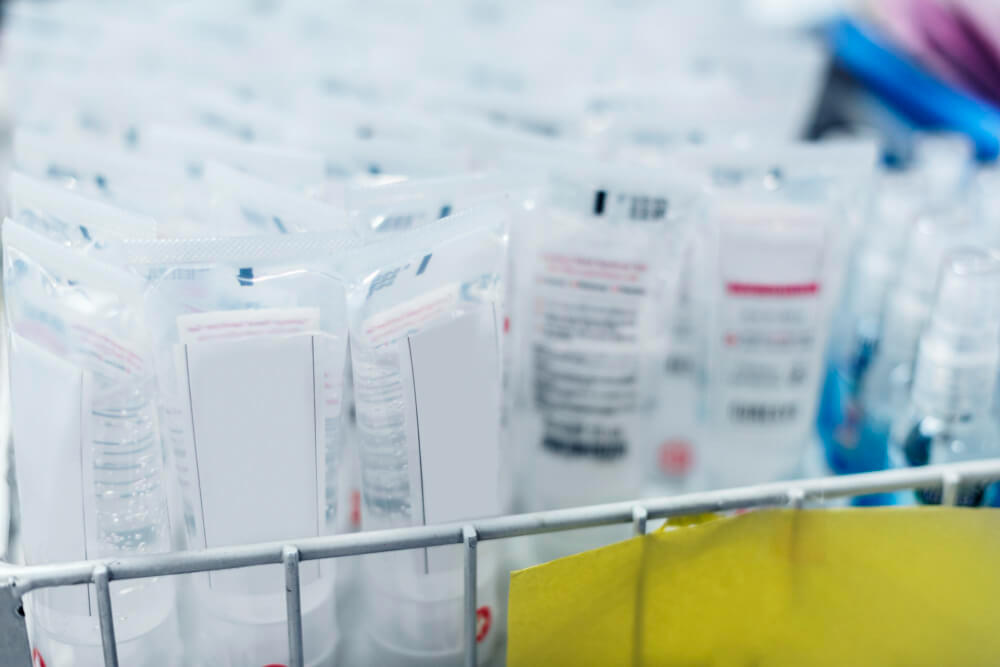
Bulk stock has to live somewhere, ideally in stable, climate-controlled conditions, since heat and moisture can compromise the sterility of sealed items even before the printed expiration. If storing bulk quantities requires extra space, climate control, or off-site storage, those costs eat into the discount. Improperly stored disposables can degrade and become a total loss regardless of the date on the box.
4. Quality compromise
Finally, do not let a bulk discount pull you into a lower-quality product. On performance-critical items like PPE, bulk or bargain products can fall short on performance and protection, and a glove or gown that fails during a procedure costs far more than it saved. Buy the right quality in bulk, not the cheapest thing in bulk.
What to Buy in Bulk vs in Smaller Orders
| Bulk-buy candidates | Order smaller and more often |
|---|---|
| High-turnover commodities (exam gloves, gauze, basic PPE) | Specialty or low-use items |
| Long shelf life or no expiration | Short-dated sterile items |
| Stable, predictable daily usage | Items with variable or seasonal demand |
| Easy to store at room conditions | Items needing special climate control or lots of space |
How to Bulk Buy Without Waste
If an item passes the three-condition test, a few practices keep bulk buying profitable:
- Use first-in, first-out (FIFO) rotation. Always use the oldest stock first so nothing expires at the back of the shelf.
- Track expiration dates. Keep a log or spreadsheet of expiration dates and inspect stock regularly so you catch approaching dates while the items are still usable.
- Store properly. Keep disposables in cool, dry, climate-controlled conditions away from moisture to preserve sterility.
- Size orders to usage, not to the discount. Calculate how much you genuinely use in the shelf-life window and buy to that, even if a bigger order offers a better unit price.
- Reassess after demand spikes. Do not let an emergency-driven stockpile become a standing over-order; recalibrate when demand normalizes.
Bulk buying medical disposables is a powerful cost-saver used correctly and a quiet money-loser used carelessly. The discipline is simple: confirm a real discount, high steady usage, and sufficient shelf life before you stock up, store and rotate what you buy, and never let the size of the discount talk you past your actual consumption. Get that right and bulk purchasing reliably lowers your supply costs without filling a storeroom with expired stock.
Frequently Asked Questions
Is it cheaper to buy medical disposables in bulk?
Often yes, since suppliers commonly offer meaningful per-unit discounts for bulk orders, and larger orders reduce shipping and administrative costs. But the savings are only real if you use the stock before it expires and can store it properly. Bulk buying a slow-moving or short-dated item can cost more than it saves once expiration and storage are factored in.
Do medical disposables expire?
Yes. Sterile disposable supplies carry expiration dates, and the sterility of sealed items cannot be guaranteed past that date, making expired sterile products unsafe to use and a liability to keep. Improper storage in heat or moisture can compromise sterility even before the printed date. Most reusable devices lack expiration dates, but single-use sterile consumables generally have them.
Which medical supplies are worth buying in bulk?
High-turnover commodities with long shelf life and simple storage, such as exam gloves, gauze, and basic PPE, are the best bulk candidates because you consume them at a steady, predictable pace before they expire. Specialty or low-use items, short-dated sterile products, and anything needing special climate control or large storage space are better bought in smaller, more frequent orders.
What is the biggest mistake when bulk-buying medical supplies?
Over-buying short-dated or slow-moving items so they expire in storage. The COVID-19 era illustrated this when facilities stockpiled supplies that later reached expiration unused, consuming space and creating disposal liability. A deep discount on something you cannot use in time is not a saving. Size orders to realistic consumption within the shelf-life window, not to the size of the discount.
How do I store bulk medical disposables to avoid waste?
Store them in cool, dry, climate-controlled conditions away from moisture to preserve sterility, use first-in-first-out rotation so the oldest stock is used first, and keep a log of expiration dates with regular inspections to catch approaching dates while items are still usable. Proper storage and rotation are what turn a bulk discount into actual savings rather than expired stock.