Biopsy forceps are small, cheap relative to the scope they pass through, and easy to buy on autopilot. That is the trap. The wrong jaw design returns a poor specimen, a forceps that does not match the endoscope channel will not pass, and the single-use versus reusable choice quietly drives both infection-control risk and per-procedure cost. None of that shows on a product photo. This guide covers the decisions that actually matter.
We will explain what biopsy forceps do, the jaw designs that match different procedures, the difference between cold and hot forceps, the single-use versus reusable decision and the reprocessing it implies, and the compatibility specs to verify before buying. The aim is a confident purchase for a GI endoscopy suite, a hospital, or a clinic, whether or not you buy from us.
What Biopsy Forceps Are and Where They Are Used
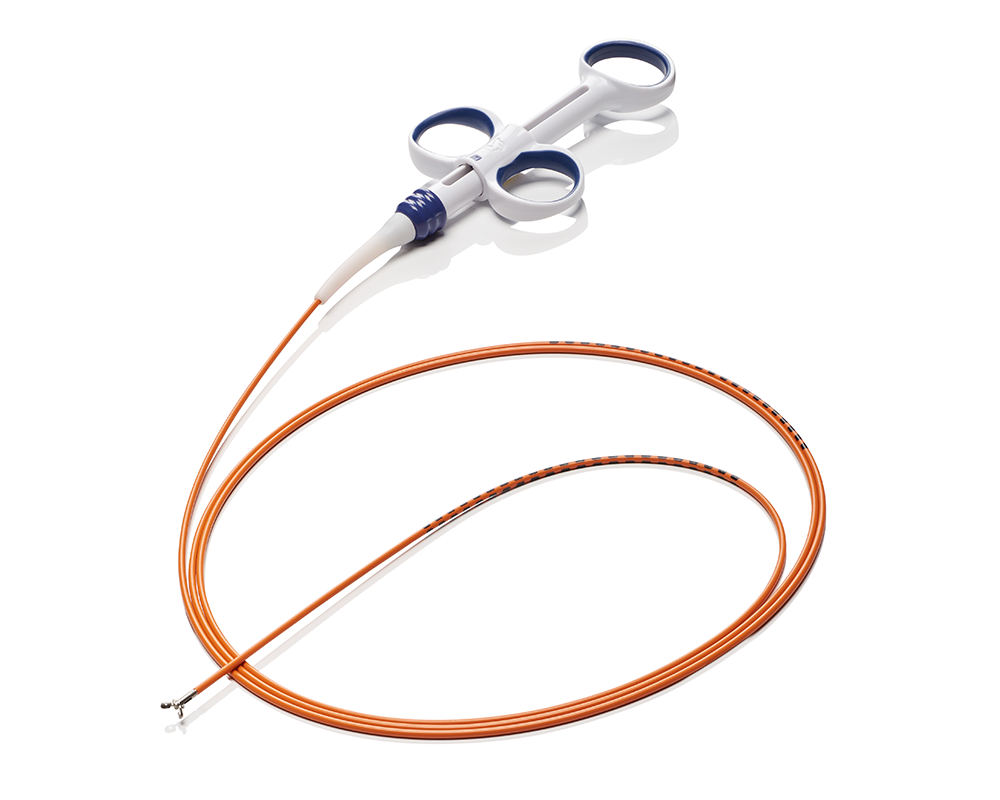
Biopsy forceps are flexible or rigid instruments with a pair of small cup-shaped jaws at the tip, passed through the working channel of an endoscope to grasp and remove a tissue sample for pathology. They are core devices in gastrointestinal endoscopy, bronchoscopy, and other scope-based procedures. The forceps are a reusable or single-use medical device, and like other reusable instruments such as surgical forceps and endoscopes, the reusable versions must be cleaned and disinfected or sterilized between patients, a process the U.S. Food and Drug Administration describes in its overview of reprocessing of reusable medical devices.
Because the forceps pass through a scope and contact mucosa and blood, two themes run through every buying decision: the jaw must collect an adequate specimen, and the device must be either correctly reprocessed or correctly discarded. Both themes are about patient safety as much as cost.
Jaw Designs That Match the Procedure
The jaws are where biopsy forceps differ most, and the right design depends on the tissue and the target. The descriptions below follow the device categories summarized in the American Society for Gastrointestinal Endoscopy technology review on endoscopic tissue sampling devices.
| Design | Feature | Why it matters |
|---|---|---|
| Standard cup | Round or oval cups, smooth or serrated | General-purpose sampling of mucosa |
| Fenestrated cup | Cups with a window | Larger, less crushed specimens; better tissue capture |
| Jumbo / large-capacity | Bigger cups | Samples a larger volume of tissue per bite, used with large-channel scopes |
| Spiked / needle | Center spike between cups | Impales and stabilizes tissue for tangential or multi-bite sampling |
The spike, sometimes called a needle or double-bite design, helps seat the forceps against mucosa that the scope approaches at an angle and lets the operator take more than one bite before withdrawing, which the ASGE technology review notes is a common reason these designs are chosen. Jumbo forceps trade larger specimens for the need for a larger endoscope channel, so they are a scope-compatibility decision as much as a tissue decision. Match the jaw to the procedures you actually perform rather than stocking one design for everything.
Cold vs Hot Biopsy Forceps
Biopsy forceps come in cold and hot variants. Cold forceps simply grasp and remove tissue. Hot forceps add monopolar electrocautery to coagulate the base of a small lesion while sampling it. For years hot forceps were common for removing tiny polyps, but their use has declined.
The reason is risk and specimen quality. Applying electrocautery through the forceps can cause deep, uncontrolled thermal injury, with concern for transmural injury and perforation, and the heat can also damage the very specimen the operator is trying to send to pathology. The ASGE technology review on endoscopic tissue sampling devices discusses these tissue-sampling tradeoffs. For most buyers the practical takeaway is that cold forceps are the workhorse, and any decision to stock hot forceps and the electrosurgical setup they require should be deliberate and clinician-led rather than a default.
Single-Use vs Reusable: The Decision That Drives Cost and Risk
The largest decision is whether to buy single-use (disposable) or reusable forceps. It is not only a cost question; it is an infection-control question.
Reusable forceps have a lower per-unit price but carry a reprocessing burden. After each use they must be cleaned and then disinfected or sterilized following the manufacturer's instructions, and inadequate cleaning can leave blood and tissue that let microbes survive disinfection, which can contribute to healthcare-associated infections, as the FDA reprocessing overview explains. The fine, hinged, channeled construction of biopsy forceps makes thorough cleaning genuinely demanding, and the true cost of a reusable program includes labor, sterilization capacity, tracking, and the inevitable replacement of worn instruments.
Single-use forceps remove the reprocessing burden and the cross-contamination risk that comes with imperfect cleaning, at a higher per-procedure price and with a disposal and inventory footprint. Importantly, single-use devices are not meant to be reprocessed and reused unless a facility complies with specific FDA requirements for that, per the same FDA guidance. The honest comparison is total cost and risk per procedure, not sticker price. A high-volume center may justify a well-run reusable program; a lower-volume site or one without reliable reprocessing capacity is often safer and cheaper with single-use.
Compatibility and Specs to Verify Before You Buy
A biopsy forceps that does not fit the scope is useless no matter how good the jaws are. Before buying, confirm the working length of the forceps matches the endoscope it will pass through, since a bronchoscope, gastroscope, and colonoscope differ in length. Confirm the forceps catheter diameter fits the endoscope's working channel; a jumbo design in particular needs a large enough channel. For reusable forceps, confirm the validated sterilization method matches what your facility runs, whether steam autoclave or a low-temperature method, and review our overview of medical device sterilization methods and the role of an enzymatic cleaner for surgical instruments in the cleaning step. For single-use forceps, confirm sterile packaging integrity and shelf life, and plan inventory around procedure volume.
As with any instrument purchase, buy from a recognized manufacturer and a supplier that can keep your sizes and designs in stock. The same diligence covered in our guide to vetting a medical equipment supplier applies to consumables and instruments, not just capital equipment.
How to Buy by Setting
GI endoscopy centers. Match jaw designs to your case mix, standardize on cold forceps for routine sampling, and make the single-use versus reusable call on total cost and your reprocessing capacity. High volume can justify a reusable program if cleaning and sterilization are reliable.
Hospitals and bronchoscopy suites. Stock the designs and lengths that match each scope type, and keep working-channel compatibility documented so staff do not grab a forceps that will not pass. Many hospitals favor single-use for hard-to-clean instruments to reduce cross-contamination risk.
Lower-volume clinics. Single-use forceps often win on total cost and safety when in-house reprocessing capacity is limited, because they remove the cleaning burden and the associated infection risk.
International distributors. Confirm endoscope-channel compatibility for the scopes used in the destination market, verify sterilization-method labeling for reusable items, and prioritize suppliers who can maintain consistent stock of the sizes and designs ordered.
Frequently Asked Questions
What is the difference between cold and hot biopsy forceps?
Cold forceps grasp and remove tissue mechanically. Hot forceps add monopolar electrocautery to coagulate the base of a small lesion while sampling. Hot forceps use has declined because the cautery can cause deep, uncontrolled thermal injury with concern for perforation and can degrade the specimen sent to pathology. Cold forceps are the routine choice for most sampling.
Are biopsy forceps single-use or reusable?
Both exist. Reusable forceps cost less per unit but must be cleaned and sterilized after each use following the manufacturer's instructions, which is demanding given their fine, channeled construction. Single-use forceps cost more per procedure but remove the reprocessing burden and cross-contamination risk. Single-use devices should not be reprocessed and reused unless the facility meets specific FDA requirements, per the FDA reprocessing guidance.
How do I know which biopsy forceps fit my endoscope?
Match two specs: the forceps working length to the endoscope length, and the forceps catheter diameter to the endoscope's working channel. A bronchoscope, gastroscope, and colonoscope differ in length, and jumbo forceps need a larger channel. Confirm both against the scope's specifications before ordering.
What is a fenestrated or spiked biopsy forceps for?
Fenestrated cups have a window that allows larger, less crushed specimens and better tissue capture. A spiked or needle design adds a center spike that impales and stabilizes tissue, which helps when sampling at an angle or taking multiple bites before withdrawing the forceps, as described in the ASGE technology review on tissue sampling devices.
Can reusable biopsy forceps be sterilized in a standard autoclave?
Only if the manufacturer's validated instructions specify steam sterilization for that device. Always follow the labeled reprocessing method, which may be steam autoclave or a low-temperature method, and ensure thorough cleaning first, since residual debris can prevent effective sterilization. Confirm the validated method matches what your facility runs before buying.