Quick answer: Equipping a small clinic well is about prioritization, not spending power. Medical equipment for a small clinic typically runs $15,000 to $75,000. Buy the must-have essentials first (exam tables, vital-signs monitors, a sterilizer, basic diagnostics), defer nice-to-have items until revenue is steady, and allocate your budget by buying new where it matters most and quality refurbished everywhere else. Working with a supplier who offers wholesale or refurbished pricing and ongoing support stretches a small budget furthest.
Small clinics face a specific challenge: the same clinical standards as a hospital, on a fraction of the budget. The good news is that you do not need the newest or most expensive equipment to run an excellent clinic; you need reliable, functional devices matched to your actual clinical needs, bought in the right order. This guide is about the decisions that let a modest budget produce a fully capable clinic.
Know the Budget Reality
Set expectations with real numbers. Within the broader cost of starting a practice, medical equipment for a small clinic commonly falls in the range of $15,000 to $75,000, part of a total startup cost that can run from under $70,000 for a lean telehealth-oriented practice to $500,000 or more for an equipment-heavy specialty clinic. A typical small clinic's equipment outlay lands around $50,000 for essential diagnostic tools, exam tables, sterilization, and supplies.
Knowing this range matters because it frames every decision as a trade-off. Money spent on a premium version of one device is money not available for another. The skill is allocation.
Tip 1: Separate Must-Have From Nice-to-Have
The first and most important discipline is triage. Smart clinic setup starts with distinguishing must-have equipment from nice-to-have additions, deferring non-essential purchases until the clinic generates steady revenue. Buy what you cannot see patients without first; add the rest as the practice grows.
The genuine essentials for most small clinics:
- Exam tables — the foundation of every patient interaction.
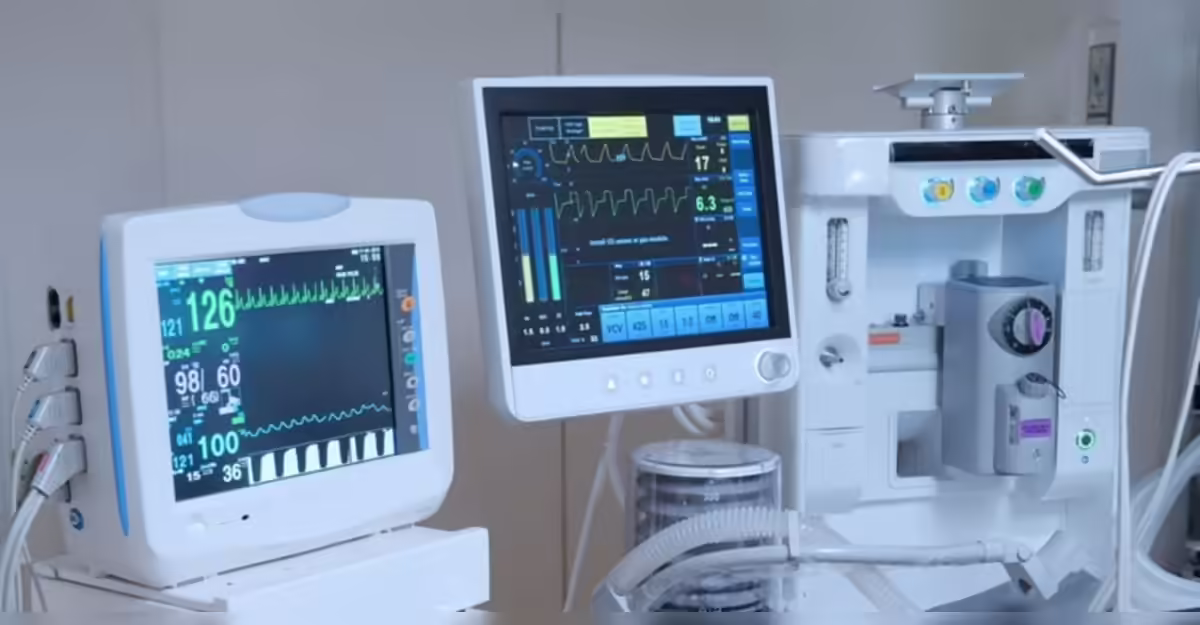
- Vital-signs monitoring — blood pressure, pulse oximetry, thermometers, scales.
- Sterilization — a tabletop autoclave handles instrument sterility in minimal space.
- Basic diagnostics — diagnostic sets (otoscope/ophthalmoscope), an EKG machine, and a stethoscope.
- Lab basics if you run one — a compound microscope and a benchtop centrifuge cover fundamental tests.
- Consumables and PPE — gloves, syringes, gauze, and other daily disposables.
The small-clinic essentials
- Exam tables
- Vital-signs monitoring
- Tabletop autoclave
- Diagnostic set and EKG
- Lab basics (microscope, centrifuge) if applicable
- Daily consumables and PPE
Tip 2: Allocate New vs. Refurbished Strategically
This is where a small budget wins or loses. The goal is not to buy everything new or everything used; it is to put new-equipment dollars where they matter most and use quality refurbished everywhere else. A widely recommended approach: buy one premium new table for your primary exam room and quality used tables for additional rooms, optimizing budget allocation without compromising the patient-facing core.
Refurbished equipment from trusted brands is the single biggest lever for a small clinic. Choosing refurbished devices from trusted brands frees capital for patient care, staff training, and building your practice reputation. Reputable refurbished gear from established names like Welch Allyn, Midmark, GE, and Tuttnauer meets professional standards at a fraction of new pricing, letting you equip more rooms or add capability for the same money. For durable, long-life devices, exam tables, sterilizers, basic diagnostics, refurbished is frequently the smartest spend in the whole budget.
Tip 3: Match Equipment to Your Actual Services
Buy for the clinic you are running, not the one you imagine. Make a list of the procedures you actually perform most, identify the tools those require, and prioritize accordingly. A clinic that does not run its own lab does not need a centrifuge on day one; a clinic focused on cardiac care needs the EKG before almost anything else. Over-buying capability you will not use soon is the most common way small clinics waste scarce capital.
Tip 4: Choose Space-Efficient Equipment
Small clinics have limited square footage, and space is itself a budget. Favor compact, benchtop versions of equipment where clinical performance allows: benchtop autoclaves and compact centrifuges deliver the needed performance while taking minimal space, and portable diagnostics (like portable EKG units) preserve room for patients and workflow. Footprint is a real selection criterion, not an afterthought.
Tip 5: Pick a Supplier Who Supports Small Clinics
For a small clinic, the supplier relationship matters as much as the equipment. The best partners offer wholesale or refurbished pricing rather than retail markups, and provide the installation, training, warranty, and ongoing service that a small clinic without an in-house biomedical team depends on. Buying from random retail vendors often means paying more than necessary or settling for lower quality. A supplier who understands small-clinic needs helps you buy the right products, supports them after the sale, and becomes a resource as you grow.
The Small-Clinic Buying Mindset
Pulled together, equipping a small clinic well comes down to a mindset: prioritize ruthlessly, allocate new-versus-refurbished deliberately, buy for your real services, respect your space, and lean on a supplier who supports you. The clinics that struggle are the ones that try to look like a hospital on day one and run out of capital before they reach steady revenue, typically within 12 to 24 months of opening. The clinics that thrive buy the reliable essentials, save heavily through refurbished equipment, and add capability as patients and revenue grow. A modest budget, spent with discipline, builds a fully capable clinic.
Frequently Asked Questions
How much should a small clinic budget for medical equipment?
Medical equipment for a small clinic typically ranges from about $15,000 to $75,000, with many landing around $50,000 for essential diagnostic tools, exam tables, sterilization, and supplies. This is part of a larger total startup cost that can run from under $70,000 for a lean practice to $500,000 or more for equipment-heavy specialties. The right figure depends on your services and how much you buy refurbished.
What equipment does a small clinic absolutely need first?
The genuine essentials are exam tables, vital-signs monitoring (blood pressure, pulse oximetry, thermometers, scales), a tabletop autoclave for sterilization, a diagnostic set and EKG, and daily consumables and PPE. If you run a lab, add a compound microscope and a benchtop centrifuge. Nice-to-have items should be deferred until the clinic has steady revenue.
Should a small clinic buy new or refurbished equipment?
A strategic mix is best. Put new-equipment dollars where they matter most, such as a premium table for the primary exam room, and use quality refurbished from trusted brands like Welch Allyn, Midmark, GE, and Tuttnauer everywhere else. Refurbished meets professional standards at a fraction of new pricing and frees capital for patient care, making it the single biggest budget lever for a small clinic.
How do I avoid overspending when equipping a clinic?
Separate must-have from nice-to-have and defer non-essentials, buy for the services you actually provide rather than ones you might add later, choose space-efficient benchtop and portable models, and use refurbished equipment for durable devices. Avoid retail vendors with markups in favor of wholesale or refurbished suppliers, and resist trying to equip like a hospital before you have hospital revenue.
What should a small clinic look for in an equipment supplier?
Look for wholesale or refurbished pricing rather than retail markups, and for the support a small clinic needs without an in-house biomedical team: installation, training, warranty, and ongoing service. A supplier who understands small-clinic needs helps you buy the right products, stands behind them after the sale, and becomes a resource as your practice grows.