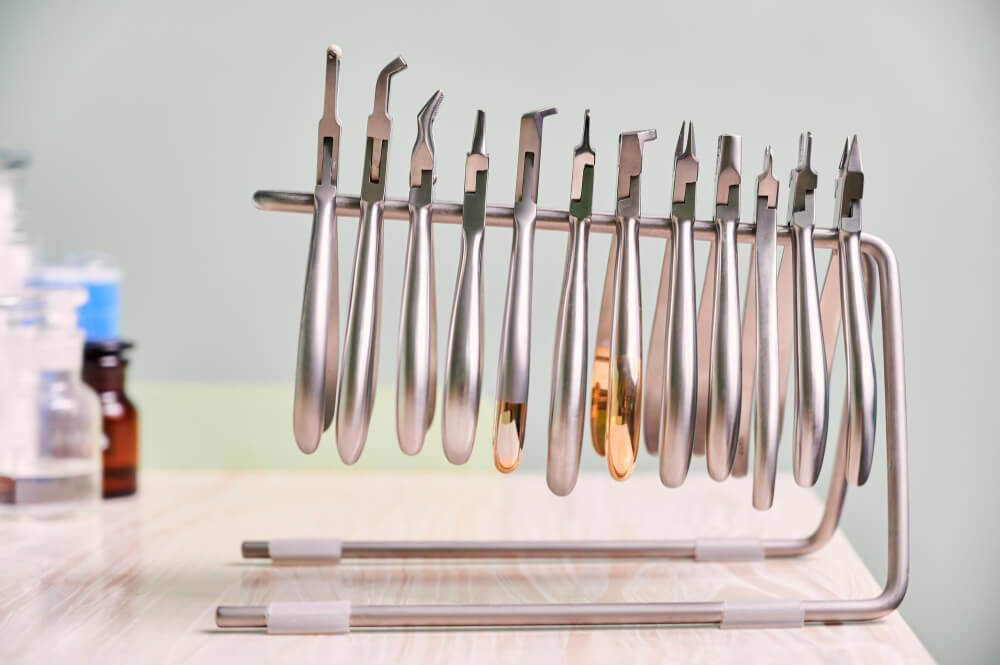
Quick answer: "Forceps" is the broad family of instruments for grasping, holding, and manipulating tissue, and they can be locking or non-locking. A hemostat is a specialized type of locking forceps with a ratchet that clamps shut and stays clamped without hand pressure, used mainly to control bleeding by clamping blood vessels. So a hemostat is a kind of forceps; the difference is purpose and the locking ratchet. Use forceps to grasp and manipulate tissue, and a hemostat to clamp a vessel and stop bleeding.
The phrase "hemostats vs forceps" contains a small confusion that, once cleared up, makes the whole topic simple: a hemostat is itself a type of forceps. The real question is the difference between hemostats and the other forceps used for grasping. As one surgical reference puts it, the hemostat is a type of forceps, just not one used for cutting. This guide untangles the terminology and then gives you the practical distinctions that decide which instrument to reach for.
Forceps: The Broad Family
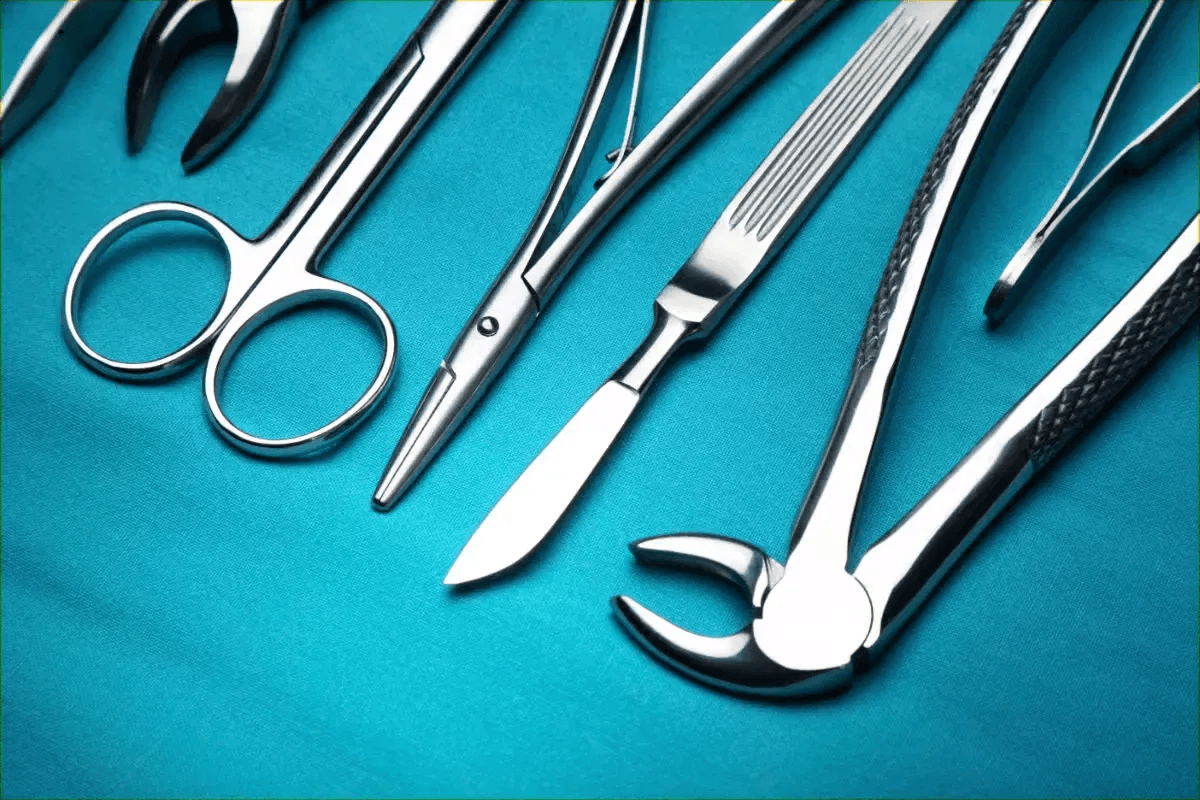
Forceps is a general term for instruments designed to grasp, hold, or manipulate tissues and objects during surgical or medical procedures. They function like tweezers or pliers, extending the surgeon's grip to handle tissue precisely, position sutures, hold dressings, or extract objects. Crucially, not all forceps lock: they can be either non-locking (like tweezer-style thumb forceps) or locking (like hemostats). Common forceps include:
- Thumb forceps: tweezer-like, squeezed by hand, for grasping tissue.
- Dressing forceps: for packing wounds or handling dressings.
- Tissue forceps: for holding tissue securely, often toothed.
The defining trait of forceps as a family is versatility: they are generalists used across all surgical specialties for countless tasks, picked up and put down repeatedly for momentary jobs.
Hemostats: The Specialized Locking Type
A hemostat (or hemostatic forceps) is a specialized type of locking forceps used primarily to control bleeding by clamping blood vessels, stopping blood flow, and maintaining a clear surgical field. Its defining feature is the ratchet: a locking mechanism near the finger rings that holds the jaws clamped shut without constant pressure from the surgeon. The jaws are typically serrated to grip a vessel securely without slipping.
That locking ability is the whole point. It lets a hemostat clamp a vessel and stay clamped for as long as needed while the surgeon's hands move on to other tasks, which is why hemostats are specialists focused primarily on vascular control in surgeries with bleeding risk. Common hemostat types include the small mosquito and the larger Kelly.
The Key Differences, Side by Side
Since a hemostat is a locking forceps, the meaningful comparison is between hemostats and general (grasping) forceps. Four distinctions matter most:
| Feature | Forceps (general) | Hemostat |
|---|---|---|
| Primary purpose | Grasp, hold, manipulate tissue | Clamp vessels, control bleeding |
| Locking | Often non-locking (variable grip) | Always locking (ratchet) |
| Force control | Variable, adjusted by hand, tactile | Fixed, held by the ratchet |
| Duration of use | Momentary, picked up and put down | Clamped and left in place |
| Role | Generalist across specialties | Specialist for vascular control |
In short, as one manufacturer frames it, forceps are tools of manipulation, while hemostats are tools of compression and control. Forceps give the surgeon continuous tactile feedback and variable force; hemostats deliver consistent, predetermined force held by the locked ratchet.
The one-line distinction
- Forceps: grasp and manipulate tissue (locking or non-locking)
- Hemostat: a locking forceps that clamps vessels to control bleeding
- The giveaway: a ratchet at the handles means it is a hemostat or other locking forceps
When to Use Each
The selection rule is straightforward: use a hemostat when you need to control bleeding or secure a vessel, and use forceps when you need to hold, grasp, or manipulate tissue without necessarily clamping it.
Getting it wrong has consequences. Using a hemostat for delicate tissue handling can crush the tissue, because its locked, serrated jaws apply firm, fixed pressure. Using grasping forceps to clamp a vessel may fail to achieve hemostasis, because non-locking forceps cannot maintain the sustained, consistent pressure a bleeding vessel requires. The instruments are not interchangeable even though they look similar. Surgeons frequently alternate between them through a procedure, reaching for forceps to position and manipulate, and for a hemostat the moment a vessel needs clamping.
How to Tell Them Apart at a Glance
Three quick visual checks identify which instrument you are holding:
- Look for a ratchet. Interlocking teeth at the finger rings mean it locks, marking it a hemostat (or other locking forceps).
- Check the handle style. Tweezer-style squeeze arms with no rings indicate non-locking thumb forceps; finger rings like scissors indicate a ringed instrument that may be a hemostat.
- Read the jaws. Finely serrated jaws built to grip a vessel suggest a hemostat; toothed or specialized grasping tips suggest tissue forceps.
So the answer to "hemostats vs forceps" is really a clarification: hemostats are a specialized, locking member of the forceps family built for clamping vessels, while the term forceps broadly covers the grasping and manipulating instruments, many of which do not lock. Remember that the ratchet is the giveaway, that forceps manipulate while hemostats compress, and that the two are not interchangeable, and you will reach for the right instrument every time.
Frequently Asked Questions
Is a hemostat a type of forceps?
Yes. A hemostat, also called hemostatic forceps, is a specialized type of locking forceps. It belongs to the broad forceps family but is distinguished by its ratchet locking mechanism and its primary purpose of clamping blood vessels to control bleeding. So "hemostat vs forceps" is really a comparison between hemostats and the other, grasping types of forceps.
What is the main difference between a hemostat and forceps?
The main difference is purpose and locking. Hemostats have a ratchet that locks the jaws clamped without hand pressure and are used to clamp vessels and control bleeding. General forceps are used to grasp, hold, and manipulate tissue, and are often non-locking with variable, hand-controlled pressure. Forceps are tools of manipulation; hemostats are tools of compression and control.
When should you use a hemostat instead of forceps?
Use a hemostat when you need to clamp a blood vessel or secure something under sustained, consistent pressure, such as controlling bleeding or holding a suture during knot tying. Use forceps when you need to grasp, hold, or manipulate tissue momentarily with adjustable, tactile force. Choosing correctly matters: a hemostat can crush delicate tissue, while non-locking forceps cannot reliably clamp a vessel.
How can you tell a hemostat from forceps at a glance?
Look for the ratchet, the interlocking teeth at the finger rings. If the instrument locks closed, it is a hemostat or other locking forceps. Tweezer-style squeeze arms without finger rings indicate non-locking thumb forceps. Finely serrated jaws designed to grip a vessel point to a hemostat, while toothed or specialized grasping tips point to tissue forceps.
Why can't you use forceps and hemostats interchangeably?
Because their force characteristics differ. A hemostat applies firm, fixed pressure through its locked ratchet, which can crush delicate tissue if used for handling. General forceps apply variable, hand-controlled pressure and cannot maintain the sustained clamp a bleeding vessel needs, so using them to clamp a vessel may fail to stop the bleeding. Each instrument is matched to its task for both effectiveness and patient safety.