Both send an electrical shock across the chest. Often it is the same machine. The thing that separates them is one button, and getting it wrong can stop a beating heart.
Cardioversion and defibrillation get used as if they mean the same thing. They do not. They treat different rhythms, in different patients, with different amounts of energy, and the choice between them is built into a single setting on the device: synchronization. This guide lays out what each one does, when each is used, the joule ranges, and which piece of equipment actually delivers the shock. The last point matters most for anyone who buys or stocks resuscitation gear, because the device you choose decides which of these two shocks you can deliver at all.
The short answer
Defibrillation is an unsynchronized shock. The energy is delivered the instant the button is pressed, at whatever point the heart's electrical cycle happens to be in. It is used in cardiac arrest, for ventricular fibrillation and pulseless ventricular tachycardia. Synchronized cardioversion is a timed shock. The device waits and fires on the R wave of the heartbeat, and it is used on a patient who still has a pulse but whose fast, organized rhythm has made them unstable. The difference between cardioversion and defibrillation, then, is timing: one shock is synchronized to the heartbeat, the other is not.
| Defibrillation | Synchronized cardioversion | |
|---|---|---|
| Shock timed to the heartbeat? | No (unsynchronized) | Yes (fires on the R wave) |
| Rhythm treated | Ventricular fibrillation, pulseless ventricular tachycardia | Unstable SVT, atrial fibrillation, atrial flutter, VT with a pulse |
| Does the patient have a pulse? | No | Yes, but unstable |
| Typical energy | 120 to 200 J biphasic (360 J monophasic) | 50 to 200 J, started low and escalated |
| Device that delivers it | AED (defibrillation only) or a manual defibrillator | A manual monitor and defibrillator with a sync mode (not a standard AED) |
What defibrillation does
Defibrillation treats two rhythms, and only two: ventricular fibrillation (VF) and pulseless ventricular tachycardia (VT). In both, the heart has lost the coordinated contraction that produces a pulse, and the patient is in cardiac arrest. According to the StatPearls Defibrillation review on the National Library of Medicine's Bookshelf, both conditions are treated identically under Advanced Cardiac Life Support guidelines, and VF is the most common cause of sudden cardiac arrest in adults.
The shock does not, as the same review puts it, "jump-start" the heart. Instead it produces a near-simultaneous depolarization of a critical mass of heart muscle, briefly stopping all electrical activity so that the heart's own pacemaker can restart an organized rhythm. The catch is time. The StatPearls review reports that the success rate of defibrillation declines by nearly 10 percent for each minute of delay, with the chance of resuscitation dropping toward zero after about ten minutes. That single fact is why public-access AEDs exist.
On energy, modern devices use a biphasic waveform that achieves the same effect at lower energy than the older monophasic design, which is why biphasic units are now standard and monophasic units are legacy equipment. The StatPearls Defibrillation review notes the 2015 American Heart Association guidance that using the manufacturer's recommended first-shock dose is reasonable, usually 120 to 200 joules on a biphasic device and 360 joules on a monophasic device, with each later shock equal to or greater than the last. Defibrillation has no contraindications, and the presence of a pacemaker or implanted defibrillator does not change whether you shock a patient in a confirmed shockable rhythm.
What synchronized cardioversion does
Synchronized cardioversion is for a patient who still has a pulse but whose fast rhythm has made them unstable. The StatPearls review on synchronized electrical cardioversion explains that it treats hemodynamically unstable supraventricular and ventricular rhythms with a pulse, including supraventricular tachycardia (SVT), atrial fibrillation, atrial flutter, and ventricular tachycardia that still generates a pulse. "Unstable" here has a specific meaning: the same review lists chest pain, shortness of breath, altered mental status, low blood pressure, pulmonary edema, or ischemic changes on the ECG.
The energy is lower than defibrillation and is started low. The StatPearls cardioversion review gives a recommended range of 50 to 200 joules, with the practical approach of starting at the lowest level and doubling if a shock fails. Starting energy varies by rhythm in practice, and narrow, regular rhythms such as SVT and atrial flutter generally cardiovert at the lower end while atrial fibrillation tends to need more. For ventricular tachycardia with a pulse in a patient showing signs of poor perfusion, the StatPearls Defibrillation review cites a recommended synchronized dose of 100 joules. The exact starting number for a given rhythm should follow current ACLS guidance and the device's own instructions.
The one setting that separates them: the sync button
Here is the part that ties everything together. On a manual defibrillator, pressing the "sync" button is what turns a defibrillation shock into a cardioversion shock. The StatPearls cardioversion review describes how sync mode makes the monitor track the R wave of each QRS complex, placing a marker above each one. When the operator presses and holds the shock button, the device does not fire immediately. It waits for the next R wave and delivers the shock then, which keeps the energy away from the T wave.
Avoiding the T wave is the whole point. A shock that lands during the vulnerable part of the T wave can trigger ventricular fibrillation, the so-called R-on-T phenomenon, and the StatPearls cardioversion review warns this can put a patient who had a pulse into cardiac arrest. That is exactly why a patient with an organized but unstable rhythm gets a synchronized shock instead of a plain defibrillation.
The setting also runs the other way, and this is a documented trap. If a patient in synchronized mode deteriorates into ventricular fibrillation, the device has to be taken out of sync mode before it will fire, because a defibrillator in sync mode is searching for a QRS complex that VF does not produce. The StatPearls cardioversion review notes that defibrillation is not possible while the machine is searching for a QRS complex. Many devices also reset to unsynchronized after each synchronized shock, so the operator has to re-enable sync for a second cardioversion. Knowing where that button is, and what state it is in, is the practical skill behind this entire comparison.
Which device delivers each shock
This is where the comparison becomes a purchasing question. The two procedures do not map neatly to two machines, so it helps to know what each device can and cannot do.
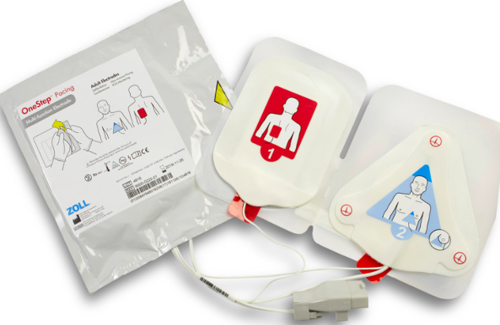
An automated external defibrillator (AED) delivers defibrillation only. As the StatPearls Defibrillation review describes, an AED interprets the rhythm automatically, decides whether a shockable rhythm is present, charges itself, and prompts the responder. It is built for one job, an unsynchronized shock in cardiac arrest, and a standard public-access AED does not offer a manual synchronized cardioversion mode. AEDs are regulated devices: the U.S. Food and Drug Administration requires premarket approval for AEDs and their accessories and monitors them after they reach the market.
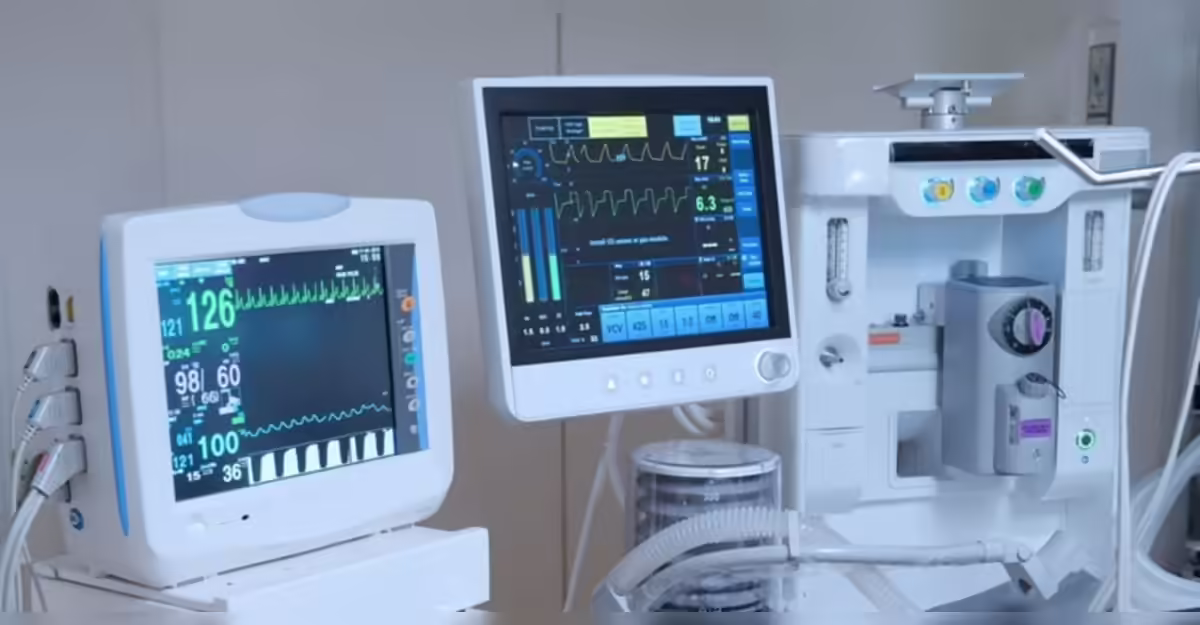
A manual monitor and defibrillator, the kind found on a hospital crash cart, does both. It can deliver an unsynchronized defibrillation shock and, with the sync button engaged, a synchronized cardioversion. That is why a facility that needs to treat unstable tachycardias with a pulse, not just cardiac arrest, buys a manual unit with a sync mode rather than relying on AEDs alone. For a fuller breakdown of AED selection, see our AED buying guide for facilities, and for how these devices relate to implanted cardiac hardware, our explainer on defibrillators versus pacemakers. If you are assembling or auditing emergency equipment, the crash cart checklist covers where the defibrillator fits among the rest of the supplies.
iMedSales supplies new and professionally refurbished defibrillators and monitors, so the practical advice is simply this: confirm whether your clinical need is cardiac arrest only or also unstable tachycardia, because that single distinction decides whether an AED is enough or whether you need a manual unit with synchronized cardioversion.
Why cardioversion uses less energy than defibrillation
A common follow-up question is why the joule numbers are lower for cardioversion. The short version is that cardioversion is correcting an organized rhythm, while defibrillation is trying to reset chaos. In an unstable tachycardia the heart still has coordinated electrical activity and a pulse, so a timed shock needs less energy to interrupt the abnormal circuit and let a normal rhythm take over. The StatPearls cardioversion review states that the amount of energy needed to convert these rhythms is usually less than the amount required for defibrillation. Ventricular fibrillation, by contrast, is disorganized electrical activity across the whole ventricle, which is why defibrillation starts higher and escalates.
Frequently asked questions
Is cardioversion the same as defibrillation?
No. Both deliver an electrical shock to the chest, but defibrillation is unsynchronized and is used in cardiac arrest for ventricular fibrillation and pulseless ventricular tachycardia, while synchronized cardioversion times the shock to the R wave and is used on a patient who still has a pulse but is unstable. On a manual defibrillator, the difference is whether the sync button is engaged.
When do you use cardioversion versus defibrillation?
Use defibrillation when there is no pulse and the rhythm is ventricular fibrillation or pulseless ventricular tachycardia. Use synchronized cardioversion when the patient has a pulse but an unstable fast rhythm, such as unstable SVT, atrial fibrillation, atrial flutter, or ventricular tachycardia with a pulse. The StatPearls reviews define "unstable" as signs like chest pain, shortness of breath, altered mental status, low blood pressure, or pulmonary edema.
How many joules are used for each?
Defibrillation on a biphasic device usually uses the manufacturer's recommended dose, typically 120 to 200 joules, or 360 joules on an older monophasic device, escalating with each shock. Synchronized cardioversion is started lower, in a 50 to 200 joule range, and doubled if a shock fails, with the exact starting energy depending on the rhythm and device per ACLS guidance.
Can an AED perform cardioversion?
A standard public-access AED delivers defibrillation only. It analyzes the rhythm, decides whether a shock is advised, and delivers an unsynchronized shock. Synchronized cardioversion requires a manual monitor and defibrillator with a sync mode, which is why hospital crash carts use manual units rather than relying on AEDs alone.
What happens if you defibrillate a patient who should have been cardioverted?
Delivering an unsynchronized shock to a patient with an organized rhythm risks the shock landing on the T wave, the R-on-T phenomenon, which the StatPearls cardioversion review warns can induce ventricular fibrillation and put a patient who had a pulse into cardiac arrest. That risk is the reason synchronized cardioversion, not defibrillation, is used for unstable rhythms that still produce a pulse.
iMedSales supplies new and professionally refurbished medical and surgical equipment and supplies. This article is general product and clinical-background information, not medical advice or a resuscitation protocol. Cardioversion and defibrillation should follow current American Heart Association ACLS guidance, your facility's policies, and each device maker's instructions for use. Verify energy settings and indications against those sources.