Two suppliers can sell the same refurbished infusion pump for nearly the same price, and one of them will cost you three times as much over the following year. The pump that arrives without a service history, fails calibration in month two, and has no available replacement board is not a bargain; it is a liability with a low sticker price. The equipment is rarely the problem in refurbished purchasing. The supplier almost always is.
"Refurbished" is not a regulated term with a fixed meaning. One dealer's refurbished means fully disassembled, parts replaced, recalibrated, and tested against the manufacturer's specification. Another's means wiped down and powered on to confirm it turns on. Both can legally use the word. The only way to tell them apart is to vet the supplier directly, before money changes hands. This checklist covers the ten questions that separate a dealer worth a long-term relationship from one worth avoiding.
Quick answer: Vet a refurbished medical equipment supplier on certification and FDA registration, documented refurbishment process, functional testing and calibration records, warranty terms in writing, parts availability, equipment history, references, return policy, regulatory compliance, and transparent pricing. A supplier that cannot answer all ten in writing is one to walk away from.
Why Supplier Vetting Matters More Than the Equipment
Medical equipment is built to last. A well-maintained ultrasound machine, hospital bed, or surgical table can run reliably for well over a decade, which is exactly why a refurbished market exists. The hardware is not the variable that determines whether your purchase succeeds. What the supplier did to that hardware, and what they will do after the sale, is.
The financial logic of refurbished equipment depends entirely on reliability. The whole point is to acquire functioning equipment at a lower cost than new. If the equipment fails early, the savings evaporate into repair costs, downtime, and replacement, and you would have been better off buying new. A rigorous supplier protects that financial logic; a careless one destroys it. This is why the vetting process is not bureaucratic caution, it is the core of getting the value you are paying for.
There is also a vocabulary problem that makes vetting harder. The industry uses several overlapping terms loosely: refurbished, reconditioned, remanufactured, used, and pre-owned all appear on listings, often interchangeably, and none of them is consistently defined across sellers. "Remanufactured" sometimes implies a more thorough, near-factory rebuild than "refurbished," but a seller can use whichever word they prefer regardless of the actual work done. Because the label tells you little, the only reliable signal is what the supplier can document about the specific work performed on the specific unit. Treat every term as a marketing word until the supplier proves what it means in their shop.
What Separates a Refurbisher From a Reseller
The single most useful distinction to hold in mind while vetting is the difference between a true refurbisher and a reseller wearing the label. A reseller acquires used equipment and moves it along with minimal intervention, cleaning, a power-on check, perhaps a quick cosmetic touch-up. A refurbisher does engineering work: diagnosing, repairing, replacing components, and validating performance against a standard.
The reseller's business model depends on volume and speed, buying low and selling quickly with little invested in each unit. The refurbisher's model depends on the quality and reliability of each unit, because they stand behind it with a warranty and want the repeat business that follows a good outcome. These are fundamentally different businesses that happen to use the same word, and your job during vetting is to determine which one you are talking to.
Almost every point on the checklist below is, at its core, a way to tell these two apart. A reseller cannot describe a real refurbishment process because there isn't one. A reseller will not offer a meaningful warranty because they have no confidence in equipment they did not actually rework. A reseller cannot provide calibration records because nothing was calibrated. The checklist is not ten separate tests so much as ten angles on a single question: did this supplier do the work, or just move the box?
The 10-Point Supplier Vetting Checklist
1. FDA registration and regulatory standing
Any company that refurbishes and resells medical devices in the United States operates in a regulated space. Establishments that recondition or remarket devices are generally expected to register with the FDA and follow applicable regulations for the activities they perform. Ask the supplier directly whether they are FDA-registered and how they classify their refurbishment activities. A legitimate dealer answers this without hesitation and can point you to documentation. A supplier who is vague about their regulatory status is telling you something important.
2. A documented, written refurbishment process
Ask the supplier to describe exactly what "refurbished" means in their shop, step by step. The answer reveals everything. A strong process includes disassembly, replacement of wear components, cleaning and disinfection, reassembly, calibration to specification, and final functional testing. A weak answer, "we test it and clean it," signals a reseller dressing up used equipment as refurbished. Get this process in writing. The willingness to put it on paper is itself a test.
What a real refurbishment process includes
- Full disassembly and inspection
- Replacement of worn or failing components
- Cleaning and disinfection of all surfaces
- Recalibration to manufacturer specification
- Functional testing under load
- Cosmetic restoration where relevant
3. Functional testing and calibration records
For any equipment that measures, delivers, or monitors, calibration is non-negotiable. An infusion pump that delivers the wrong volume, a monitor that misreads vitals, or an imaging unit that is out of spec is a patient-safety hazard, not just a quality issue. Ask whether each unit is tested and calibrated before shipping, and whether you receive the test results with the equipment. The best suppliers provide a documented test report tied to the specific serial number you are buying, not a generic statement that "all units are tested."
4. Warranty terms, in writing
Warranty is the single clearest signal of how much confidence a supplier has in their own work. A dealer who truly refurbished a unit will stand behind it; a dealer who merely cleaned it will offer minimal or no warranty. Look for a written warranty of meaningful length, commonly 90 days to a year or more depending on the equipment, and read exactly what it covers. Does it cover parts and labor? Does it include a loaner if the unit needs repair? A vague verbal assurance is worth nothing.
5. Parts availability and long-term serviceability
Equipment is only as useful as your ability to keep it running. Before buying, confirm that replacement parts for the specific make and model are available and will remain available. Some older models reach end-of-support, where the manufacturer no longer supplies parts, which can strand you with an unrepairable unit. Ask the supplier whether the model is still supported, whether they stock parts, and who services it if it breaks. A supplier with an in-house service operation is worth more than one who only sells.
6. Equipment history and provenance
Where did this specific unit come from, and how was it used? A hospital decommissioning equipment during an upgrade is a very different source than equipment of unknown origin. Ask about the prior use, the usage hours or scan counts where applicable, and any service history. Imaging equipment in particular has measurable usage metrics, like tube counts on a CT scanner, that directly affect remaining life. A supplier who can trace provenance is doing the work; one who cannot is reselling blind.
7. References and track record
Ask for references from facilities similar to yours that have bought the same category of equipment. A established supplier will have a customer base and will share references. Check how long the company has been in business, because refurbishment expertise compounds over time, and a dealer who has serviced a model for years knows its failure points better than a newcomer. Independent reviews and industry reputation matter here too.
8. A clear return and remedy policy
Even with rigorous refurbishment, equipment can arrive damaged or fail on installation. What happens then? A confident supplier has a clear return policy and a defined remedy: repair, replace, or refund. Read the policy before buying, paying attention to the window, who pays return shipping, and whether restocking fees apply. The absence of a written return policy is a red flag on its own.
9. Regulatory and documentation compliance
Beyond FDA registration, confirm the supplier provides the documentation your facility and its accreditors require. This can include certificates of conformance, electrical safety test results, and device labeling that meets requirements. If your facility is accredited by a body that audits equipment provenance and maintenance, your purchasing records need to hold up to that audit. A supplier accustomed to selling into accredited facilities will have this paperwork ready.
10. Transparent pricing and no pressure
Finally, evaluate how the supplier sells. Transparent, itemized pricing, with the refurbishment work and warranty clearly reflected, signals an honest operation. High-pressure tactics, prices that seem too good to be true, and reluctance to put terms in writing all point the other way. A price dramatically below the market for that equipment usually means corners were cut somewhere, most often in the refurbishment process you cannot see.
Red Flags That Should End the Conversation
Some signals are serious enough to disqualify a supplier on their own, regardless of price or how good the equipment looks in photos.
- No written warranty. If they will not stand behind the equipment in writing, they do not have confidence in their own refurbishment.
- Vague about "refurbished." An inability or unwillingness to describe their process step by step means there probably isn't one.
- No calibration documentation on equipment that measures or delivers. This is a patient-safety issue, not a paperwork preference.
- Unknown provenance. "We don't have that information" on where the equipment came from or how it was used.
- Pressure and urgency. Artificial deadlines and reluctance to let you do due diligence are sales manipulation, not legitimate scarcity.
- Prices far below market. A unit priced well under everyone else's almost always reflects work that was skipped.
The True Cost of a Bad Refurbished Purchase
The reason this checklist is worth the effort becomes obvious when you trace what a bad purchase actually costs. The sticker price is the smallest part of it. When refurbished equipment fails early, the costs cascade in ways that dwarf whatever you saved on the purchase.
First is the direct repair cost. A unit that fails calibration or develops a fault needs a service technician, and if the supplier offers no warranty, you pay for both the diagnosis and the parts. For complex equipment, a single repair can exceed the difference between the cheap supplier and the rigorous one.
Second, and often larger, is downtime. Equipment that is out of service is equipment that is not generating clinical value. A diagnostic unit down for two weeks waiting on a part means rescheduled patients, lost revenue, and referrals sent elsewhere. For a small practice, the downtime cost of one failed critical device can exceed the entire equipment budget for the year.
Third is the replacement cost if the unit cannot be repaired at all, which happens when parts are unavailable for an end-of-support model. At that point you have paid for equipment you cannot use and must buy again, this time having learned the lesson the expensive way. A purchase from a vetted supplier with a warranty and parts availability would have prevented every one of these costs. This is why the cheapest refurbished equipment is frequently the most expensive over its life.
The math that matters: Compare suppliers on total cost of ownership, not sticker price. A unit that costs more upfront but comes with a warranty, calibration records, and parts availability is almost always cheaper over three years than a bargain unit with none of those.
How Vetting Differs by Equipment Type
The ten points apply universally, but which ones carry the most weight shifts depending on what you are buying. Calibrating your scrutiny to the equipment type makes the vetting faster and sharper.
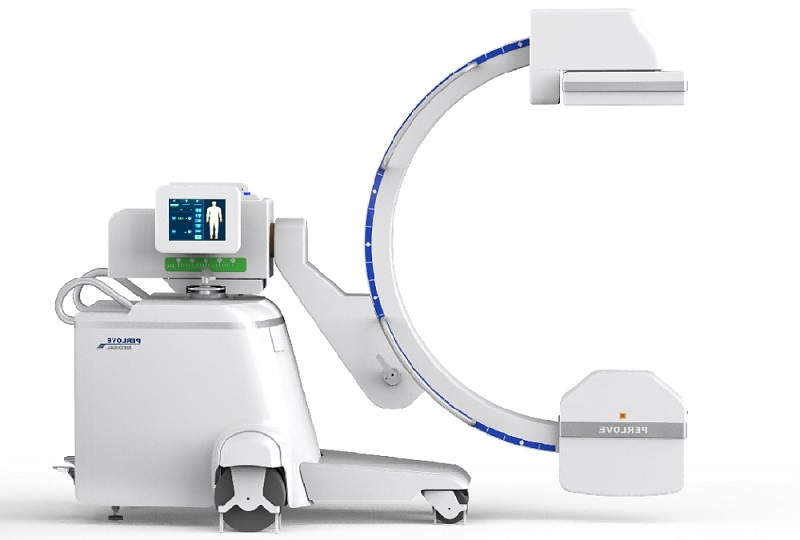
Imaging equipment (ultrasound, CT, MRI, X-ray) is the highest-stakes category. Usage metrics like tube counts and probe condition directly determine remaining life, so provenance and equipment history move to the top. Calibration and image-quality testing are non-negotiable, and parts availability matters intensely because imaging parts are expensive and model-specific. For this category, demand documented usage data and proof of image-quality testing.
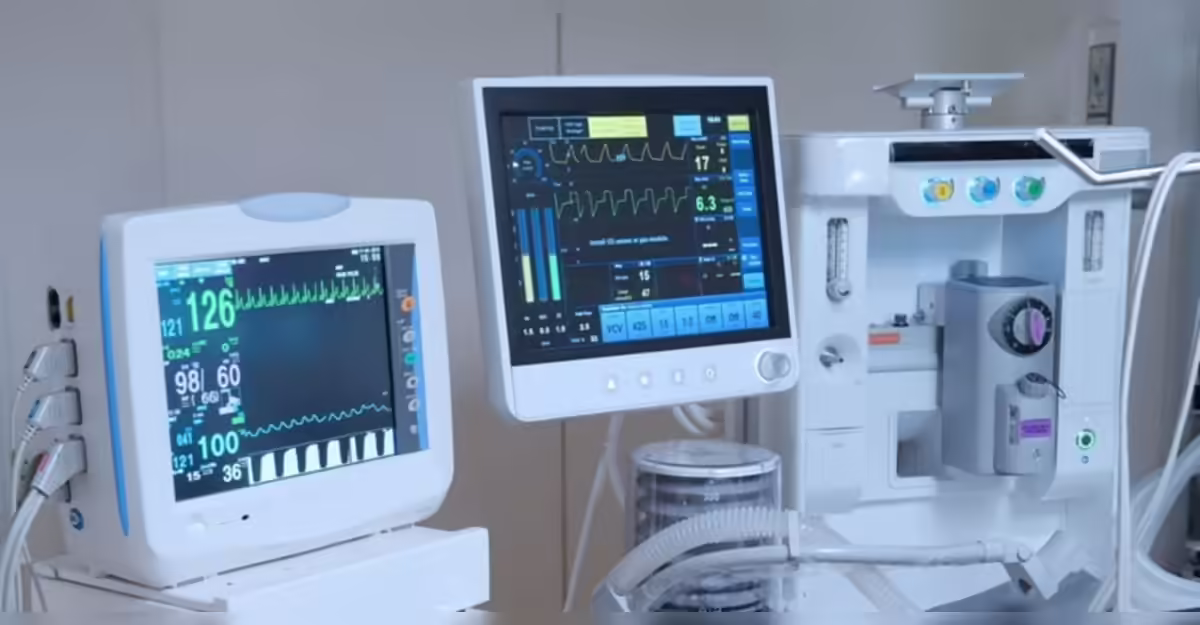
Patient monitoring and infusion devices live or die on calibration. A monitor that misreads or a pump that misdelivers is a patient-safety event, so functional testing and calibration records are the dominant criteria. Verify each unit was tested against specification and that you receive the results tied to the serial number.
Mobility and furniture-type equipment (hospital beds, wheelchairs, exam tables, surgical tables) is mechanically simpler and lower-risk, so cosmetic condition, mechanical function, and warranty matter most, while calibration is less relevant. Here the vetting can be lighter, focused on confirming the mechanics work and the warranty covers them.
Sterilization equipment (autoclaves) sits in its own category because a failure compromises infection control across the whole practice. Functional testing, validation, and serviceability are critical, and the supplier should demonstrate the unit holds temperature and pressure to specification.
How OEM and Independent Refurbishers Differ
You will encounter two broad types of refurbished supplier: original equipment manufacturers (OEMs) who refurbish their own returned units, and independent dealers who refurbish equipment from multiple manufacturers. Both can be excellent, and both can be poor; the type matters less than how they score on the ten points above.
OEM-refurbished equipment carries the manufacturer's name and often a manufacturer-backed warranty, which appeals to risk-averse buyers, though it typically costs more. Independent refurbishers frequently offer better pricing, broader model selection, and more flexible service, and the strong ones match or exceed OEM rigor. The decision comes down to the specific supplier in front of you and how they answer the checklist, not the category label.
iMedSales operates as an independent refurbished equipment supplier built around exactly the standards in this checklist: documented refurbishment, functional testing, written warranties, and traceable equipment history. The reason to publish a checklist that any buyer could use to scrutinize us is simple, a buyer who knows what to ask ends up with equipment that performs, and that is the only basis for the repeat business a serious supplier wants.
Where Bad Suppliers Cut Corners
Knowing where the corners get cut helps you aim your scrutiny. Low-effort suppliers do not skip every step; they skip the expensive, invisible ones, the work you cannot see in a photo or a quick demo. These are the predictable places where the gap between a real refurbishment and a dressed-up resale opens up.
Internal component replacement is the most commonly skipped step because it is the most expensive and the least visible. A unit can look pristine and power on perfectly while running on worn internal parts that will fail within months. A reseller polishes the exterior; a refurbisher replaces the components inside that actually wear out. You cannot see this difference, which is why you must ask for the work record.
Calibration is skipped because it requires specialized equipment and expertise the reseller does not have. A device can function without being calibrated to specification, it just functions incorrectly. Since the error is invisible without test equipment, this is a corner that stays hidden until the equipment produces a wrong reading in clinical use.
Documentation is skipped because creating it takes time and creates accountability. A supplier who documents the work, the test results, and the provenance is creating a record they can be held to. A supplier who provides nothing in writing keeps themselves free of accountability, which is precisely why the absence of documentation is so telling.
Post-sale support is the final corner. Standing behind equipment with a warranty, stocking parts, and offering service all cost money and effort after the sale is already made. A supplier optimizing for a quick transaction has no incentive to invest here, which is why warranty and serviceability separate the businesses built on reputation from those built on volume. When you concentrate your vetting on these four areas, you are looking exactly where the difference between suppliers actually lives.
The Questions to Ask, in Their Own Words
Vetting works best when you ask direct, specific questions and listen for how readily they are answered. The phrasing matters, because vague questions invite vague answers. Use questions that force a concrete response.
Instead of "Is this refurbished?" ask "Walk me through exactly what was done to this specific unit, step by step." Instead of "Is there a warranty?" ask "What is the warranty length, what does it cover, and can you send it to me in writing?" Instead of "Does it work?" ask "Was this unit calibrated to specification, and can you send me the test report for this serial number?"
For provenance, ask "Where did this unit come from, how was it used, and how many hours or cycles does it have?" For parts, ask "Is this model still supported, do you stock parts for it, and who services it if it fails?" For returns, ask "If this arrives faulty or fails on installation, what exactly happens, and who pays for what?"
The pattern is to ask for specifics tied to the actual unit and to request documentation. A strong supplier answers these comfortably and follows up in writing, because they have the records and the confidence. A weak supplier deflects, generalizes, or promises to "get back to you" on questions a real refurbisher answers instantly. How a supplier handles this conversation is itself one of the most reliable signals you will get.
Listen for the tell: A supplier who answers specific questions with general reassurances ("all our equipment is fully tested and guaranteed") without ever providing the specific document or detail you asked for is steering you away from the truth. Specific question, general answer is the pattern to watch for.
Putting the Checklist to Work
Before contacting suppliers, decide which of the ten points are non-negotiable for your purchase. For a hospital bed, provenance and warranty may matter most; for an infusion pump or imaging unit, calibration records and parts availability move to the top. Then send the same set of questions to every supplier you are considering and compare the answers side by side. The exercise is fast, and it surfaces the weak suppliers immediately, because they cannot answer in writing what the strong ones answer easily.
The goal of vetting is not to find a perfect supplier; it is to find one whose process you can verify and whose accountability you can hold. Equipment that comes with a documented history, a real warranty, and a supplier who will service it is what makes refurbished purchasing the smart financial decision it is supposed to be. Skip the vetting, and you are simply gambling on used equipment with a nicer label.
Frequently Asked Questions
What should I look for in a refurbished medical equipment supplier?
Look for FDA registration, a documented refurbishment process, functional testing and calibration records tied to the specific unit, a written warranty, parts availability, traceable equipment history, references, a clear return policy, regulatory documentation, and transparent pricing. A supplier who can provide all of these in writing is one worth a long-term relationship; one who is vague on any of them is a risk.
Is refurbished medical equipment safe?
Refurbished medical equipment is safe when it comes from a rigorous supplier who fully tests and calibrates each unit and stands behind it with a warranty. The safety depends almost entirely on the quality of the refurbishment and the supplier's accountability, not on the fact that the equipment is used. This is why vetting the supplier is more important than the equipment category itself.
What is the difference between refurbished and used medical equipment?
Used equipment is sold essentially as-is, often only cleaned and tested for power-on. Refurbished equipment should mean it has been disassembled, had worn parts replaced, been recalibrated to specification, and tested before resale. Because "refurbished" is not a regulated term, the only way to confirm what it means for a given supplier is to ask them to document their process.
What warranty should refurbished medical equipment come with?
A meaningful written warranty for refurbished medical equipment commonly ranges from 90 days to a year or more, depending on the equipment type. The warranty should clearly state whether it covers parts and labor and what the remedy is if the unit fails. The presence and length of a written warranty is one of the clearest signals of a supplier's confidence in their refurbishment work.
Do refurbished medical equipment suppliers need to be FDA-registered?
Establishments that recondition, refurbish, or remarket medical devices generally need to register with the FDA and comply with the regulations applicable to their activities. When evaluating a supplier, ask directly about their FDA registration and regulatory standing. A legitimate dealer answers this clearly and can provide documentation, while evasiveness on regulatory status is a significant warning sign.