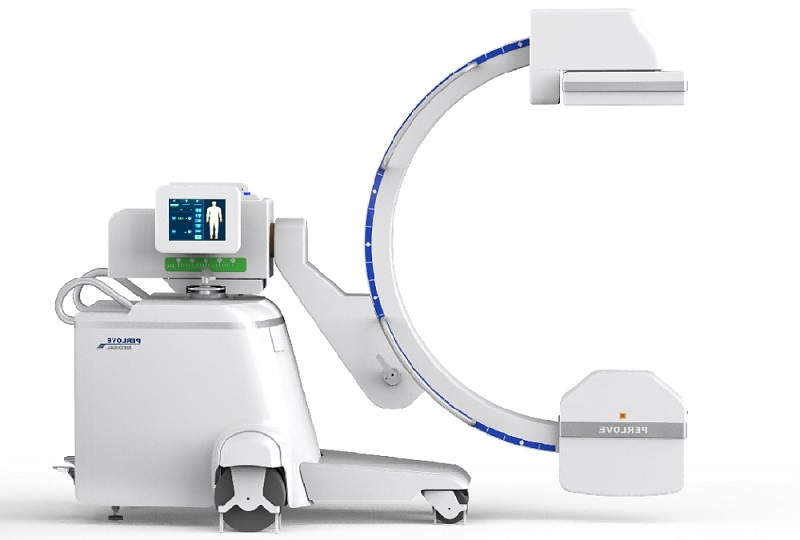
Quick answer: There are two kinds of durable medical equipment (DME) scams. The most common targets Medicare beneficiaries with unsolicited "free brace" or "free supplies" offers designed to harvest your Medicare number and bill for equipment you never needed. The second targets online buyers with no-delivery or counterfeit listings. Protect yourself by never giving your Medicare number to unsolicited callers, only obtaining DME through your own doctor, checking your Medicare statements, and buying online only from verifiable sellers. Medicare will never call to offer free equipment.
Durable medical equipment, the wheelchairs, walkers, braces, catheters, and other devices used to manage an injury or chronic condition at home, is a huge and legitimate market. Medicare alone spends more than $7 billion a year on DME. That scale makes it a magnet for fraud, and the scams come in two very different forms. Knowing both, and the specific defenses against each, is how you protect your money, your identity, and your access to care.
Scam Type 1: The Medicare DME Billing Scam
This is the big one, and it does not work the way most people expect. The scammer is usually not trying to take your money directly; they are trying to get your Medicare number so they can bill Medicare for equipment you never needed. The scale is enormous: the 2024 National Health Care Fraud Enforcement Takedown brought criminal charges against 193 defendants and revealed more than $100 million in alleged DME-related fraud, and in one case a father and son were sentenced to prison after fraudulently receiving more than $21 million from Medicare for back, wrist, knee, and shoulder braces.
How the scheme works
The mechanics are well documented by the FBI. A call center contacts beneficiaries, confirms they are on Medicare, and transfers them to a telemedicine company. That company employs doctors who write medically unnecessary prescriptions for DME; the prescriptions are sold to a DME company, which ships the equipment, bills Medicare, and pays kickbacks to the conspirators. The "free brace" you are offered is the bait; your Medicare number is the prize.
Why it is more dangerous than it looks
Losing control of your Medicare number is worse than a one-time charge. Once scammers have it, they can keep billing month after month before detection, and the fraudulent claims can enter your health records, making a doctor think you have a diagnosis you do not. It can also jeopardize coverage for equipment you genuinely need later, because Medicare may show you already received it. Catheters, braces, and low-cost items like bandages are favorite tools precisely because they "fly under the radar" on a statement.
Red flags of a Medicare DME scam
- An unsolicited call, ad, or health-fair offer for "free" braces, supplies, or equipment
- A caller claiming to be from Medicare or a doctor you have never met
- Pressure to "verify" or provide your Medicare number
- Equipment arriving that you never ordered
- Charges on your Medicare Summary Notice for items you did not receive
The single most important rule
State Senior Medicare Patrols put it bluntly: Medicare will not call to offer free braces or medical supplies. If someone does, it is a scam. Legitimate DME is based on medical necessity and requires a prescription from your own doctor, not a doctor who calls you, or one in a TV, newspaper, or social media ad. If you get such a call, the right response is simply to hang up.
How to Protect Yourself From Medicare DME Fraud
The defenses are concrete and drawn directly from Medicare fraud authorities:
- Guard your Medicare number as you would your Social Security number or a credit card. Never give it to an unsolicited caller.
- Only get DME through your own physician. If you have a legitimate need, your own doctor should be recommending it. Do not order DME over the phone unless your physician advised it.
- Refuse delivery of any medical equipment you did not order through your doctor.
- Review your Medicare Summary Notice (MSN) or Explanation of Benefits (EOB) for charges you do not recognize or equipment you never received.
- Register with the National Do Not Call Registry to reduce the unsolicited calls that drive these schemes.
Scam Type 2: Online Purchase Scams
The second category affects anyone buying DME or other medical equipment online, beneficiaries and facilities alike. Here the fraud is the classic e-commerce kind: you pay for equipment that never arrives, or you receive a counterfeit or misrepresented item. The Better Business Bureau has warned of refurbished-product scams in which sellers advertise cheap goods and then disappear, and the same patterns show up across the used-equipment market: listings with no verifiable seller, prices far below market with no explanation, and pressure to pay outside protected channels.
The defenses overlap with reading any used listing carefully: buy only from sellers you can verify (real business, real address, reviews, references), insist on a clear description with serial numbers and real photos, use payment methods that offer protection, and be suspicious of prices that are too good to be true. A legitimate discount has a reason; an unexplained one is a question to resolve before paying.
How to Report DME Fraud
Reporting protects you and others, and the channels are specific. If you suspect a Medicare DME scam:
- Medicare: 1-800-633-4227 (1-800-MEDICARE) to report suspicious charges.
- Senior Medicare Patrol (SMP): 1-877-808-2468. SMP volunteers can answer questions about suspicious charges, help you report fraud, and assist with the Health and Human Services Office of Inspector General. The SMP also offers free tracking tools to log your care and catch discrepancies.
- HHS Office of Inspector General hotline: 1-800-447-8477 (1-800-HHS-TIPS).
If you received DME you never requested or see charges for equipment you never got, report it promptly; early reporting limits the damage to your records and your benefits.
The Bottom Line
Avoiding DME scams comes down to a simple posture: legitimate equipment flows through your own doctor and verifiable sellers, never through unsolicited offers. Guard your Medicare number, refuse what you did not order, read your statements, and buy online only from sellers you can confirm are real. If an offer arrives unrequested, especially one that is "free," treat it as a scam until proven otherwise. That single habit prevents the large majority of durable medical equipment fraud.
This article is general information, not legal or medical advice. If you believe you have been targeted by fraud, contact the official resources above.
Frequently Asked Questions
Does Medicare ever call to offer free medical equipment?
No. Medicare will not call you to offer free braces, supplies, or other durable medical equipment, and any such call is a scam. Legitimate DME is based on documented medical necessity and requires a prescription from your own treating doctor, not a doctor who contacts you by phone or one advertised on TV or social media. If you receive such a call, hang up.
Why do scammers want my Medicare number for DME fraud?
Because the Medicare number lets them bill Medicare for equipment you never needed, often repeatedly before anyone notices. The fraudulent claims can also enter your health records, create false diagnoses, and jeopardize coverage for equipment you genuinely need later. The "free" equipment offer is bait to obtain the number, which is the real target.
What should I do if I receive medical equipment I never ordered?
Refuse delivery if possible, do not use the equipment, and report it. Contact Medicare at 1-800-633-4227, your Senior Medicare Patrol at 1-877-808-2468, or the HHS Office of Inspector General at 1-800-447-8477. Also review your Medicare Summary Notice for charges tied to the unrequested item, since unsolicited delivery often signals your Medicare number is being used.
How can I tell if an online medical equipment seller is legitimate?
Verify that the seller is a real business with a physical address, reviews, and references you can check. Insist on a clear description with serial numbers and real photos of the actual item, use payment methods that offer buyer protection, and be wary of prices far below market with no explanation. A legitimate discount has a clear reason; an unexplained one warrants caution.
How do I report durable medical equipment fraud?
Report Medicare DME fraud to Medicare at 1-800-633-4227, to your state Senior Medicare Patrol at 1-877-808-2468, or to the HHS Office of Inspector General hotline at 1-800-447-8477. Senior Medicare Patrol counselors can help you understand suspicious charges and file reports. Reporting early helps protect your benefits and prevents further fraudulent billing.